
Guide to Packing for 3 Days in Bar Harbor, Maine
So, you’re planning a Bar Harbor vacation, and you want to know what to bring. Besides being full time residents of Mount Desert Island ourselves, we’ve also welcomed guests from across the country to our slice of coastal, Maine and have plenty of advice on packing for Bar Harbor. While we encourage you to stay on our island as long as you can, our average visitor spends 3 days in Bar Harbor exploring the town and Acadia National Park, so we’ll focus our guide on packing for a long weekend.
Weather in Bar Harbor Maine
Now, let’s set something straight before we begin: the weather in Bar Harbor. Of course, weather depends greatly on the time of year you visit, but even in the span of a few summer days, it can be variable. As Mark Twain said, “if you don’t like the weather in New England now, just wait a few minutes.” In fact, if I turn my head to the left my window is full of blue sky and sunshine, but the window to my right features some glum looking grey clouds.
We recommend checking trusted weather services like the Weather Channel or AccuWeather 2 to 3 days ahead of your Bar Harbor vacation to get the most accurate prediction for temperature and potential precipitation. That said, here’s a general breakdown of weather in Bar Harbor by month:
- January & February: About as cold as it gets! Typically, between 10-30 with occasional snow or chilly drizzle.
- March: The island starts to heat up with mid 20’s to mid 40’s temps and spring rains pick up.
- April & May: We mostly move away from freezing overnight and can get up to low 60’s during the day. Expect a few days of rain.
- June: Summer is just beginning, and temps can range between 50-75. You might still see rain but plenty of sunshine too.
- July & August: Hot days and cool nights during the high season, ranging between 50’s and 80’s.
- September & October: Mild temps mid 40’s to high 60’s along with drier conditions.
- November & December: Teens to mid 40’s plus our snow season kicks off as we head towards the holidays.
Aside from ranging day to day, Acadia National Park weather can also vary depending on where you are. The blustery top of Cadillac Mountain can be much colder than the tree-protected Park Loop Road, or sunny Sand Beach. Which is why you’ll hear us preach layering for your Bar Harbor vacation. More on that next…
Packing List for 3 Days in Bar Harbor
Okay folks, get out your suitcase—or waxed canvas duffel in my case—and get ready to pack. We’ll plan our packing list for early July, when the park is bursting with life and downtown Bar Harbor’s restaurants and shops are in full swing. Of course, you’ll need the basics like a toothbrush and toothpaste, deodorant, socks, and underwear. The rest, we can help with.
Clothing
Mainers are pretty down-to-earth when it comes to our attire, and with all the walking around town and exploring Acadia National Park you’ll be doing, we suggest prioritizing items that are comfortable. As we mentioned earlier, layering is also important as it helps you adapt to variable temperatures throughout the day without having to fully change your outfit. Here’s my essential inventory when packing for Bar Harbor: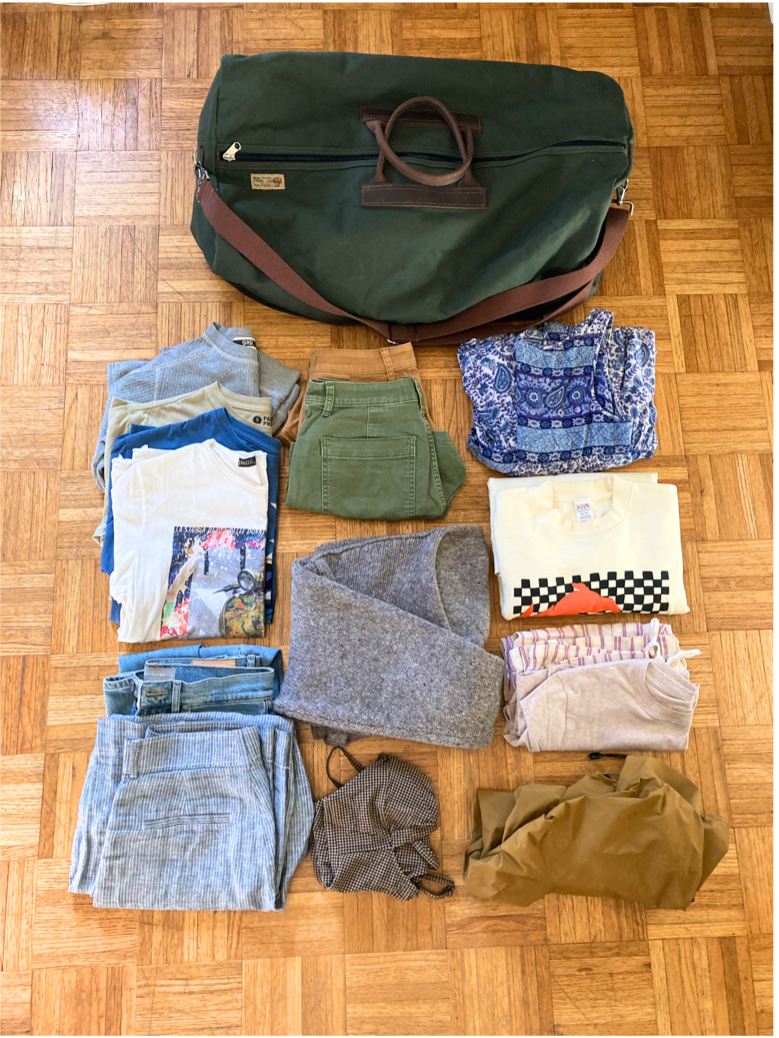
- 3 t-shirts
- 1 long sleeve cotton shirt
- 2 pairs of utility shorts
- 1 pair of comfortable jeans or hiking pants
- 1 cardigan
- 1 set of pajamas
- 1 sweatshirt
I also always bring a light rain jacket. Even if rain isn’t in the forecast, you might find yourself reaching for it to protect against wind on one of Acadia’s mountain peaks or to stay dry as your Bar Harbor boat tour sends ocean mist into the air.
Heading out to dinner at The Bistro or one of Bar Harbor’s many downtown spots and want an excuse to get a little dressed up? Breezy linen pants pair well with a (clean) t-shirt, or a sundress is easy to throw on. Jeans and a button down also add a touch of class. Just make sure to bring a sweater for when you stroll back to your hotel room in the cool night.
You might also want to add a bathing suit to your packing list so you can enjoy a swim in the pool or brave a dip in the ocean at Sand Beach—just be prepared for 50-60 ocean water.
The takeaway is to cater to versatility. Try to pick items that can be mixed and matched or transition from daytime activity to a night in downtown Bar Harbor. And hey, if you forgot something, there’s plenty of shops in town or at the Acadia visitors centers where you can pick up a t-shirt or sweatshirt to remember us by.
Shoes
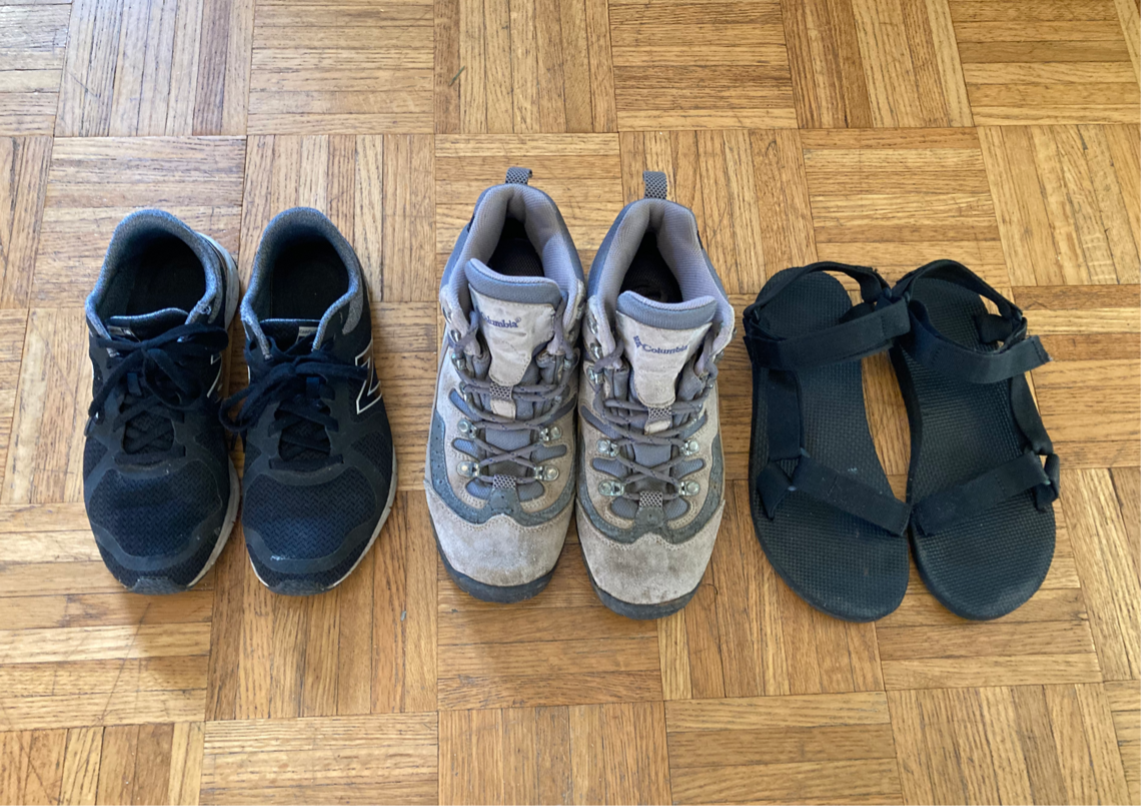 The first time I ever took a Bar Harbor vacation, I walked 9 miles on day one! Of course, you can drive to many of Acadia’s best attractions, but chances are you’ll want to get out at some point to wander around, so comfortable shoes are important. A good pair of sneakers will do the job just fine, but hiking boots are also a great option if you plan to tackle steeper trails like the Precipice Trail or Cadillac South Ridge.
Sandals are a great addition to your weekend footwear selection for hanging by the pool or going out to dinner. As a Mainer, I’m partial to my Tevas or Birkenstocks but any comfortable sandal will do.
Outdoor Gear
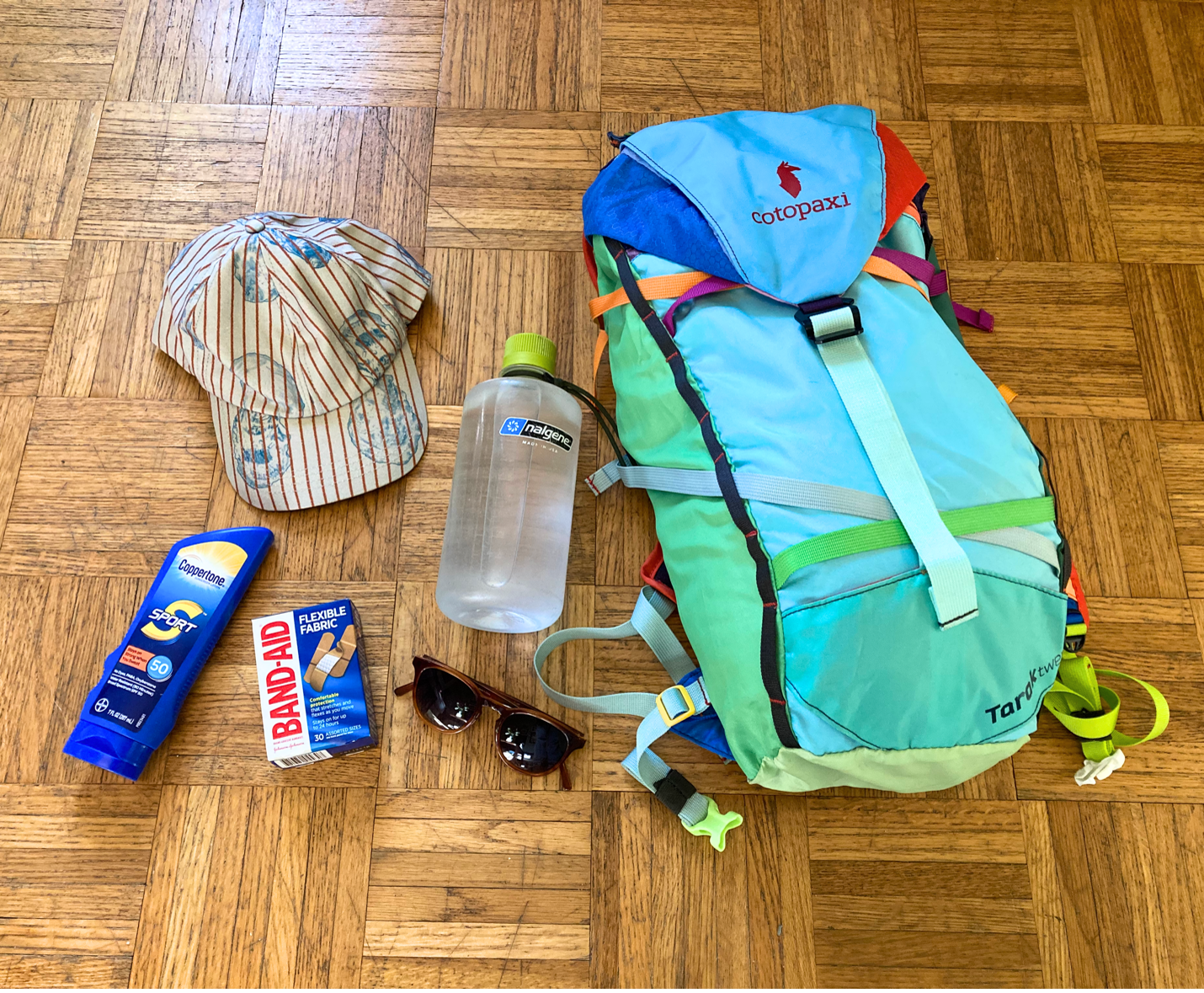 While hanging out in your room at the Acadia Inn can be relaxing, we encourage you to go out, go out, go out! There’s so much to see and enjoy in nature on Mount Desert Island; it’s what will make you fall in love with our coastal haven. That said, you should be prepared with a few items when spending so much time outdoors:
- Bug spray
- Sunscreen
- Park maps
- Sunglasses and/or a hat
- Simple first aid like band-aids
- Refillable water bottle
- Daypack or bag
Whatever you do, don’t forget to put on sunscreen and don’t be fooled by the weather in Bar Harbor. When you’re outside climbing mountains all day, even cloudy weather can lead to a sunburn.
Bonus Items
With this basic guide to packing for Acadia, you should be set up for a fantastic—and well prepared—3 days in Bar Harbor. You can scale this packing list up if you’re taking a longer trip. And adding a few bonus items to the list might make your Bar Harbor vacation even better.
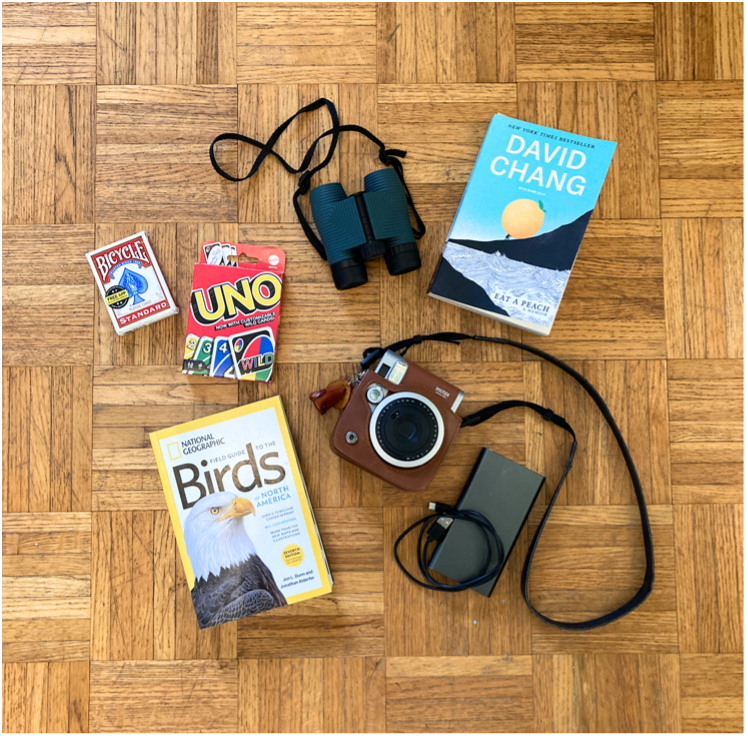 For example, I love having a disposable camera or Instax on hand to snap photos while out and about. Perhaps it’s old school, but the physical photos just have a certain something that smartphone pics can never achieve.
Portable batteries and chargers are a useful item to bring along, ensuring you can recharge your phone while out exploring Acadia National Park.
If you plan to spend time on a nature boat tour or sunset cruise and have trouble with sea sickness, picking up some Dramamine can be a lifesaver. P.S. we stock this at our front desk for purchase in case your forgot some or weren’t expecting that woozy feeling.
Books to read, playing cards or other packable games ensure you have something to do while lounging by the pool, having a picnic at Fabbri, or winding down at the end of the day. If you want to add another layer to your Bar Harbor adventure, consider bringing or renting bikes to explore the carriage roads on two wheels—just don’t forget a bike lock!
Share your Bar Harbor packing list or pic of your essentials with us to help other visitors get ready for an awesome Bar Harbor vacation!
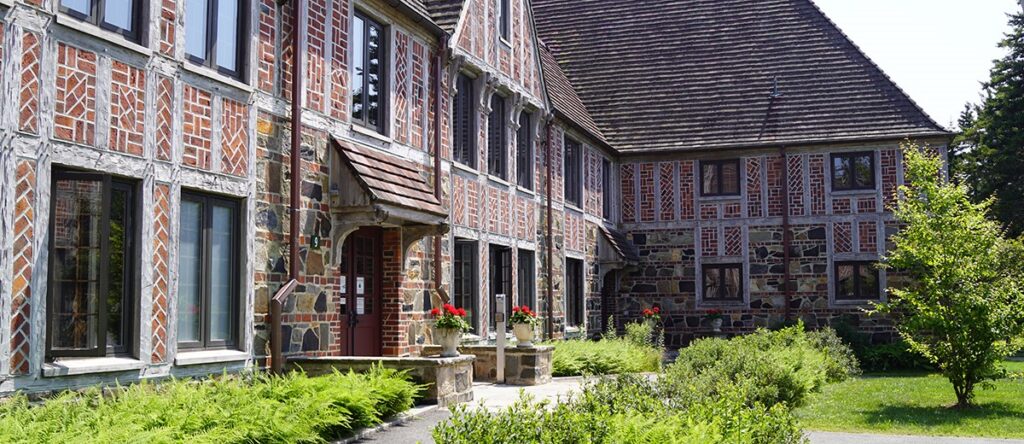




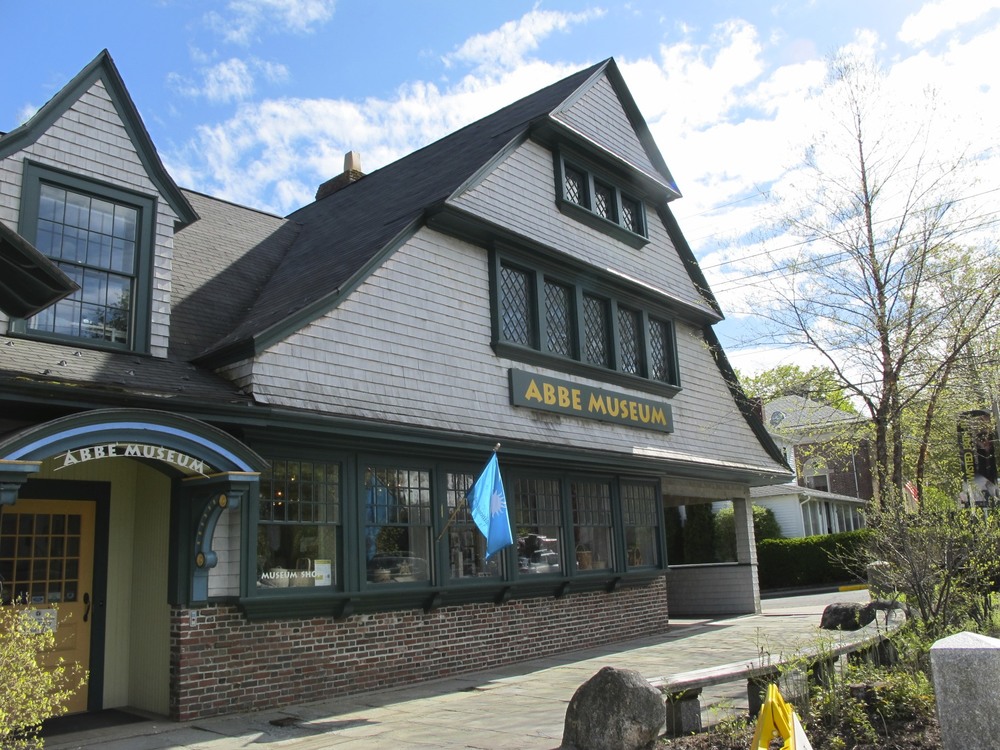 Our state’s one and only Smithsonian affiliate, the Abbe Museum is a must-see Native American history & art museum in Maine. Located in downtown Bar Harbor, the museum features evolving exhibits of art and cultural artifacts from the Wabanaki, Maine’s Native people. Their core exhibit offers perspectives going back as far 12,000 years into the history of the land and the people that steward it. Additional exhibits of contemporary art such as the Micmac Indian Craftsmen and Waponahki Student Art Show bring an even broader picture of creative skills and stories into view.
 This year, the Abbe Museum will be premiering its Dawnland Festival of Arts & Ideas at the College of the Atlantic. If you happen to be visiting or can make a special trip July 12-14, 2024, this multi-day Bar Harbor art festival promises to be a real treat for art lovers. Brimming with Native arts markets, performances and special speakers, the event will be free to public and offer visitors an opportunity to engage Wabanaki thought leaders and artists in a weekend of inquiry, creativity, and celebration.
 Just like the plants and trees around Mount Desert Island, June brings a burst of life and color to the Village Green. One of the most anticipated annual Bar Harbor events for locals and visitors alike, Art in the Park is the longest running art show in town, now in its 72nd year. For two days, artists in painting, print making, photography and more set up tents to display and sell their works. Not only is it a great time to find a beautiful addition to your home’s décor, it also offers an opportunity to connect in person with the art community of Mount Desert Island.
 The Criterion theater has been beacon of the arts on MDI since 1932 and is the perfect way to round out a day of touring galleries and museums with a live performance. From dance and comedy performances to live music and plays, this historic theater is great way to experience local and touring artists. Find a full list of their upcoming Bar Harbor events and grab your tickets now.
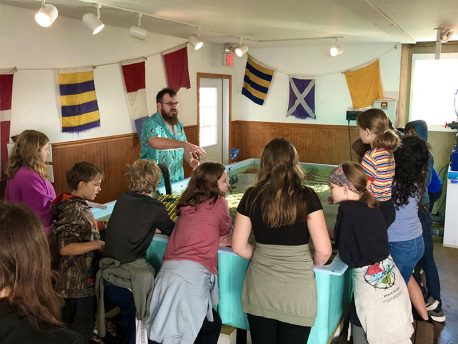 The Mount Desert Oceanarium and Education Center is a favorite for all ages, creating a window into the lives of the uncountable and incredible creatures that inhabit our shores and waters, plus the people who have built communities around them. They have 9 different tanks featuring different snapshots of Maine ocean habitat, an authentic lobster boat you can explore indoors, and a touch pool brimming with sea stars, crabs, fin fish and more. You can even get a peek at rare cotton candy, blue, and orange lobsters—not for eating!
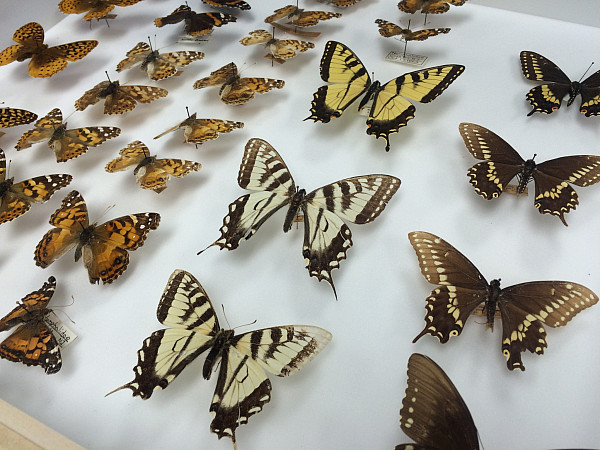 Part of the College of the Atlantic, the Dorr Museum of Natural History is housed in the original headquarters of Acadia National Park. Its exhibits are designed and produced by students of the college, so you’re bound to discover new ways to learn about Maine’s wildlife with each visit. It features dioramas of our coastal creatures, a tide pool tank, and of course the gift shop full of goodies inspired by the natural sciences.
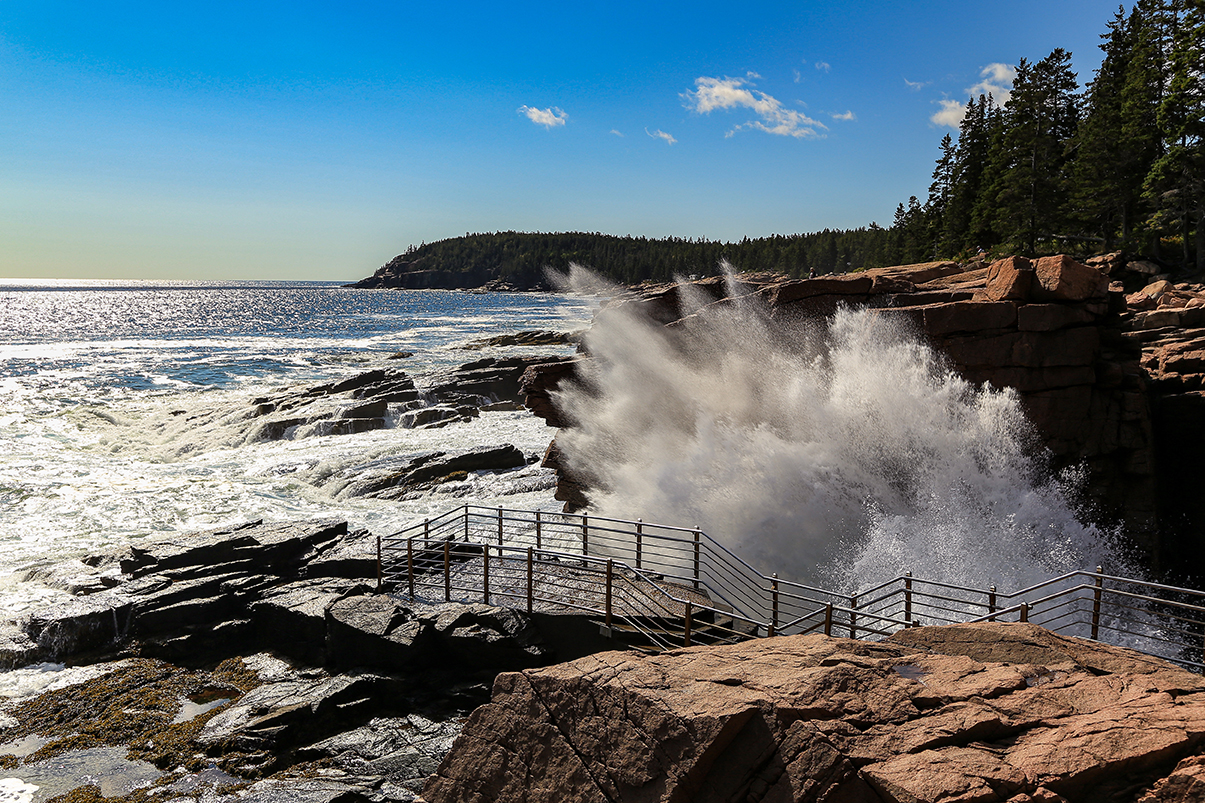 After you descend Cadillac, continue along the Park Loop Road to reach Thunder Hole. There is a convenient parking lot or nearby street parking, so you don’t have to go far from your car to see this popular destination. Carved by years of tides, this narrow channel is named for the thunderous reverberation created by waves rushing into it. Storms can increase the wave size and strength so visitors should be cautious of their potential to wash over surrounding ledges, outcrops, and walkways. While best viewed 1-2 hours before high tide, visiting Thunder Hole in the rain is a testament to the ocean’s majesty at any time of day. Careful not to get mesmerized by the bursting waters or you might soon find the rain has soaked you through.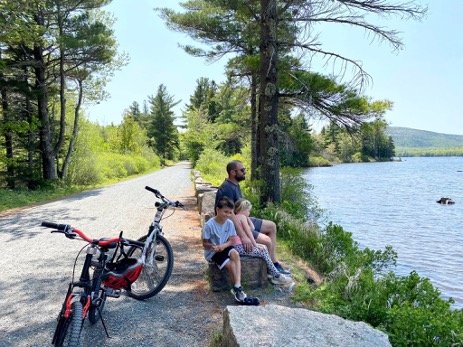
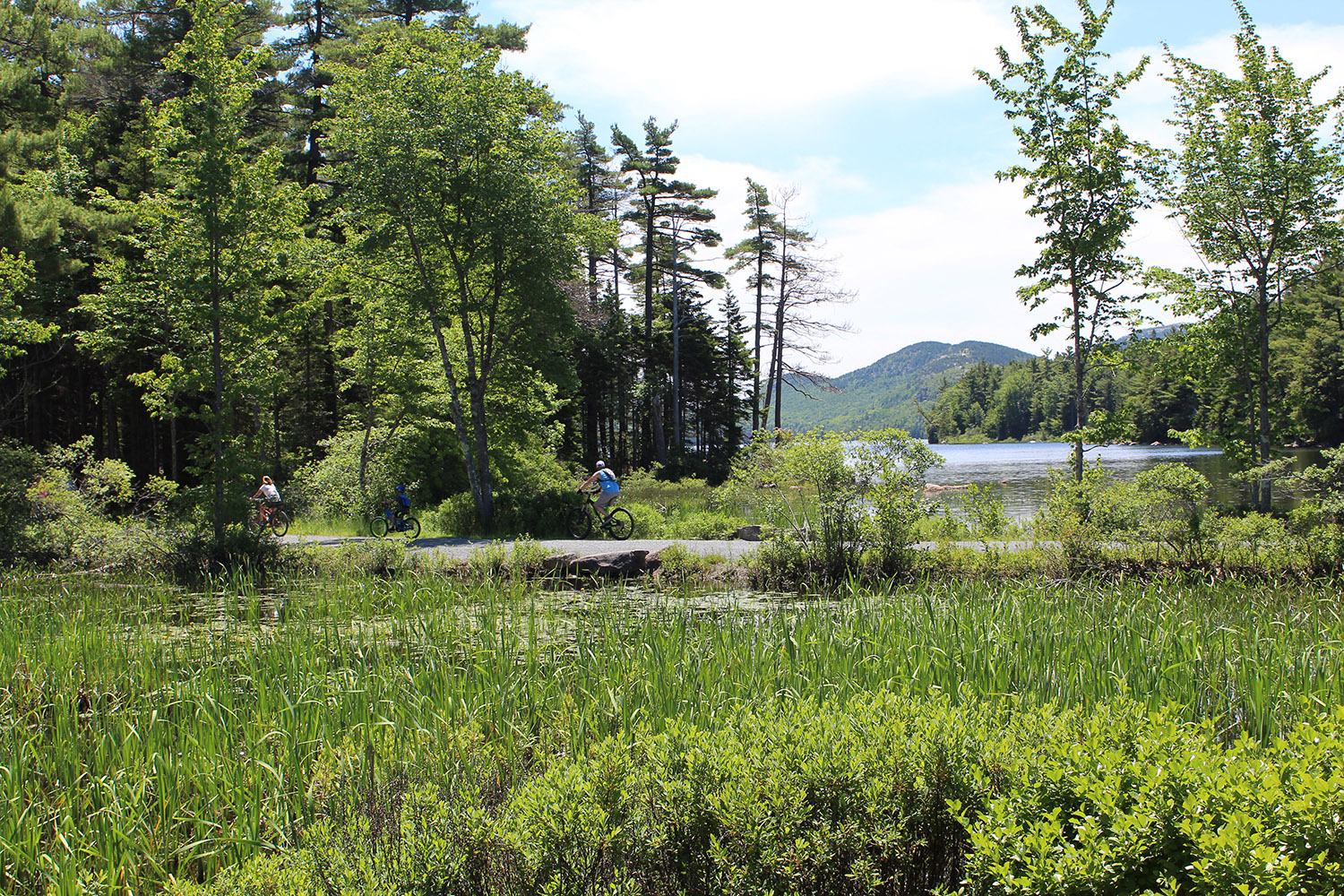
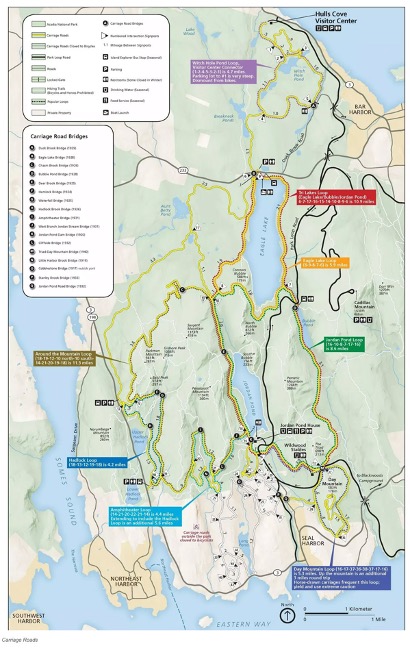 Of course, Acadia is known for its 45 miles of carriage roads, commissioned by John D. Rockefeller, and built between 1913 and 1940. These motor free gravel roads follow the contours of the land, emphasize scenic views, and are shared by pedestrians, cyclists, and horse-drawn carriages to this day. They are perfect for bikers of all skill levels and allow you to check off some of the best sights in the park atop two wheels. Most Acadia carriage roads do have some variable elevation, but you can always hop off and walk while enjoying the views.
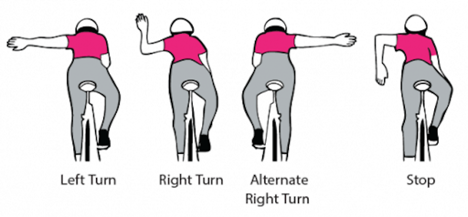 For a good workout and fewer cars to share the road with, sport cyclists can head to Southwest Harbor where you’ll find well-paved surfaces and views of the Cranberry Islands, Bass Harbor Head Light, and more. Depending on your starting point, these routes can be anywhere from 16 to 86 miles long.
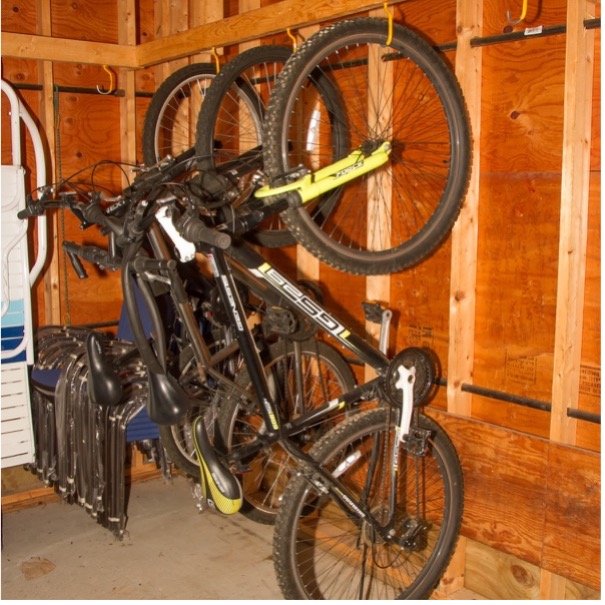 It’s nearly impossible to see all Acadia has to offer in one day and there are many amazing hikes and activities that can’t be done on a bike. The Bar Harbor Motel offers fully enclosed and locked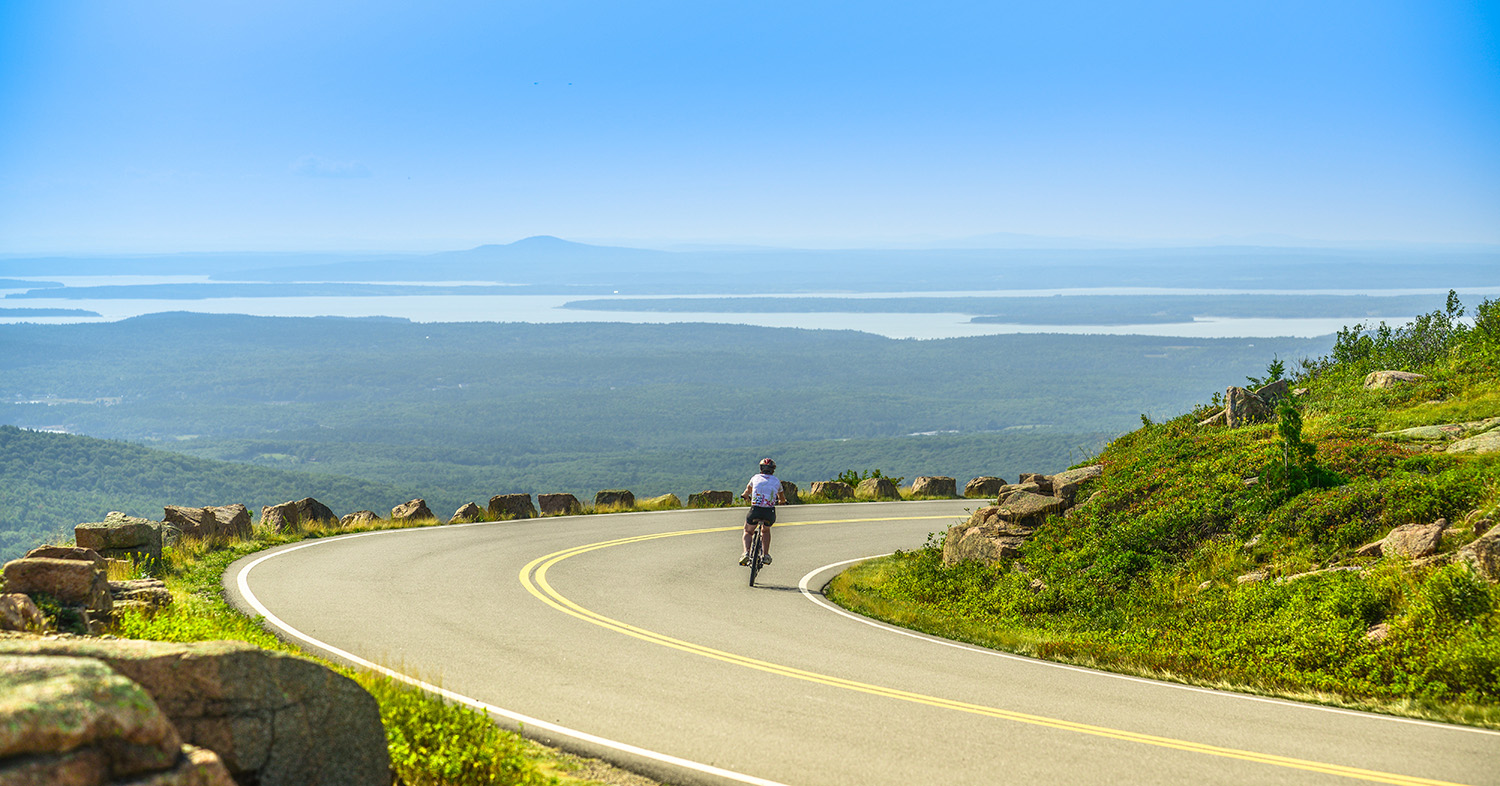
 There’s something truly magical about winter in Acadia National Park and we invite you to join us and experience its quiet splendor. Read our suggestions for how to spend the off season on Mount Desert Island and you too might be convinced that winter is the best season to visit Acadia National Park. Just grab your puffy, mittens and Bean boots.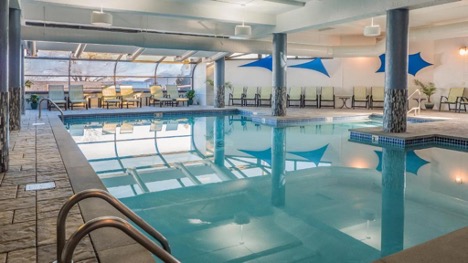
 Winter in Acadia national park makes road access by car limited, but that doesn’t mean trails are closed! Just as the
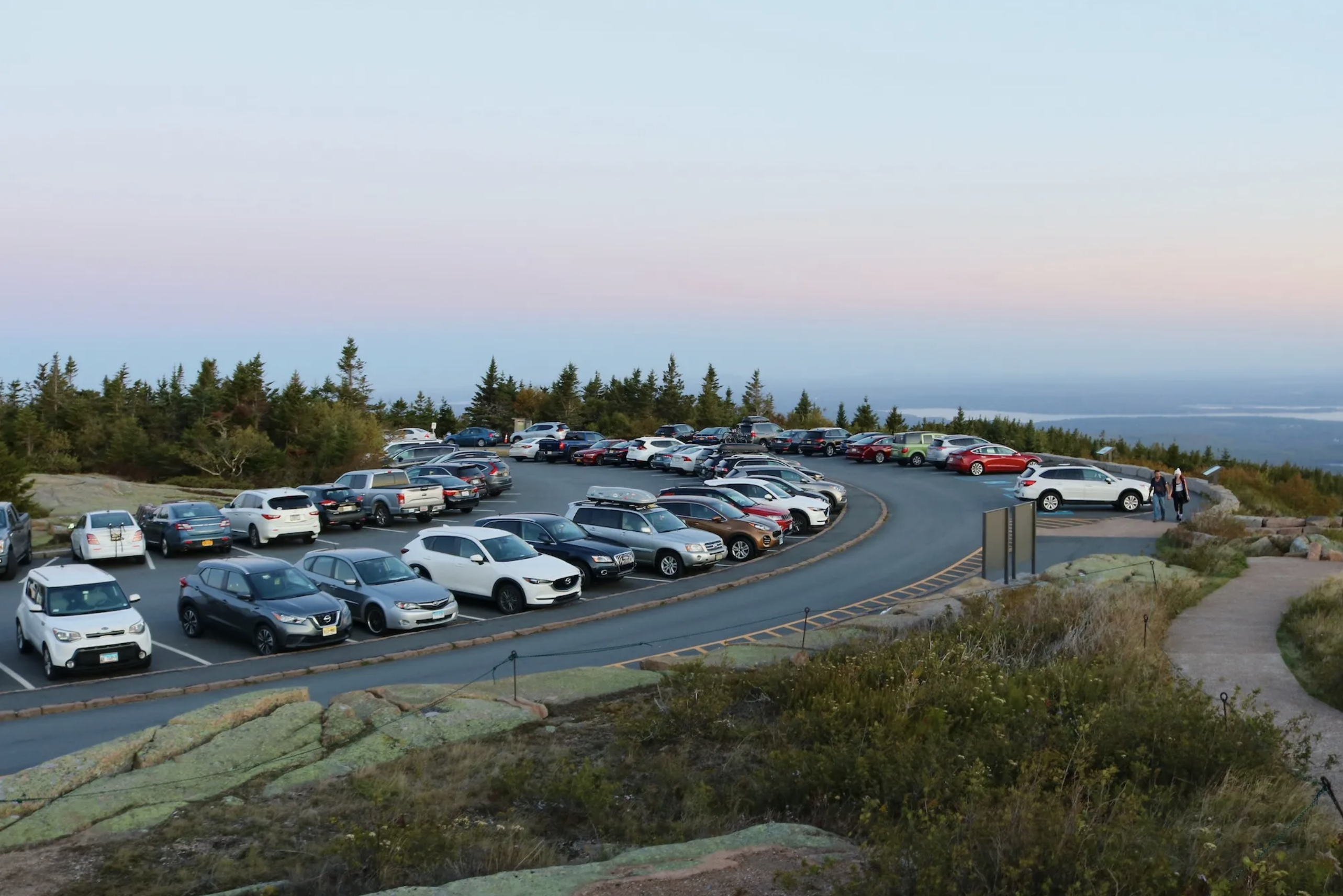
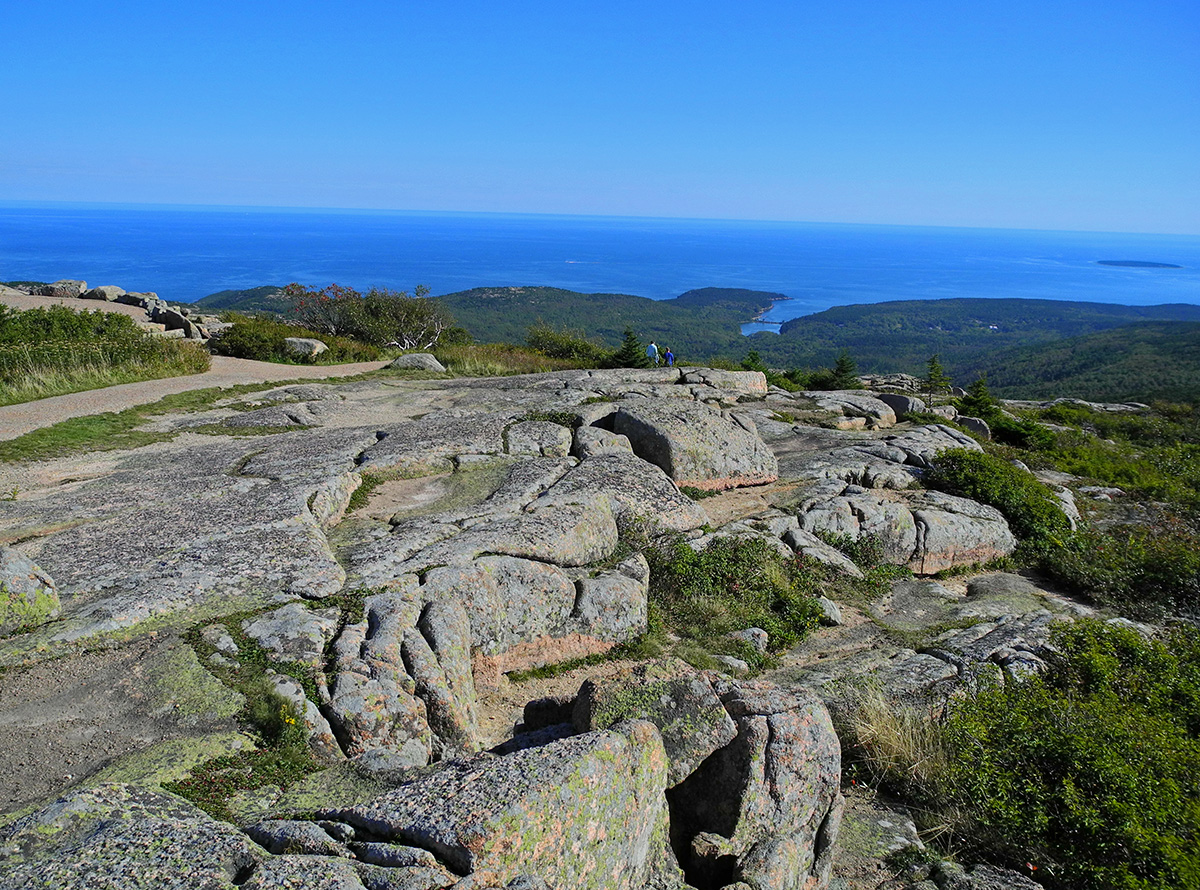 If you’re planning a trip to Acadia, you’ve probably considered catching a sunrise at Cadillac Mountain, and for good reason! Not only is Cadillac the highest peak in the park, it’s also the highest point on the eastern seaboard and provides visitors with magnificent, sweeping views of the Atlantic Ocean, glacial coastline, and island landscape.
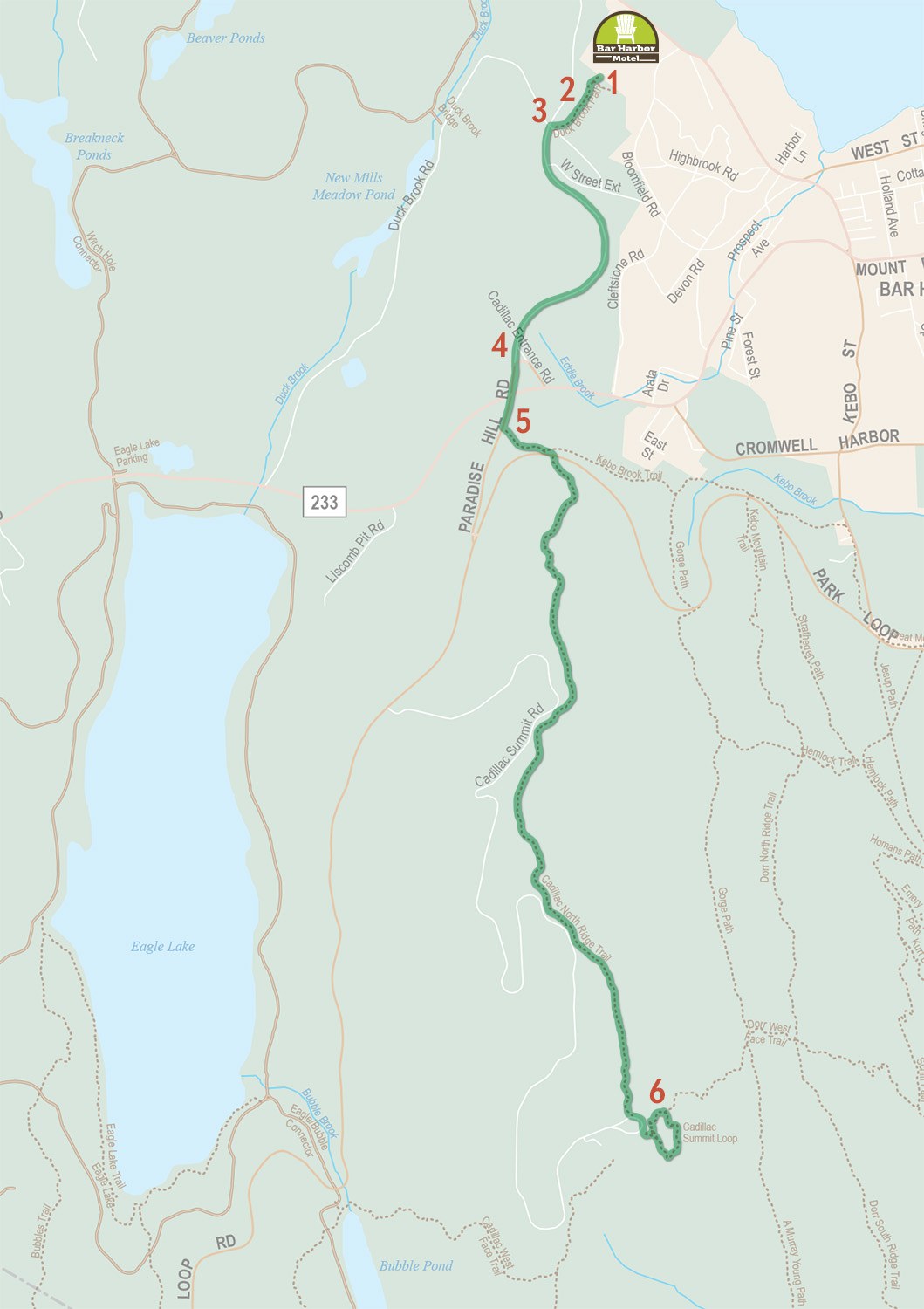 While every trail is wonderful in its own right, our plan for an Acadia sunrise hike takes the convenient
 The cold waters surrounding Acadia are home to a host of marine and wildlife that will thrill nature lovers. Acadia nature cruises are the perfect way to explore the Gulf of Maine and make a great activity for kids, older folks and marine enthusiasts alike. Jeremy Dougherty, general manager of the Bar Harbor Inn, gives these Bar Harbor boat tours his seal of approval. “It’s just a really fun, unique way to see the coast,” he says. Of course, your interest may already be piqued by a Bar Harbor whale watching tour or you may be wondering where to see puffins in Maine, but there’s so much more to take notice of! Here are a few species to look out for on your Acadia nature cruise:
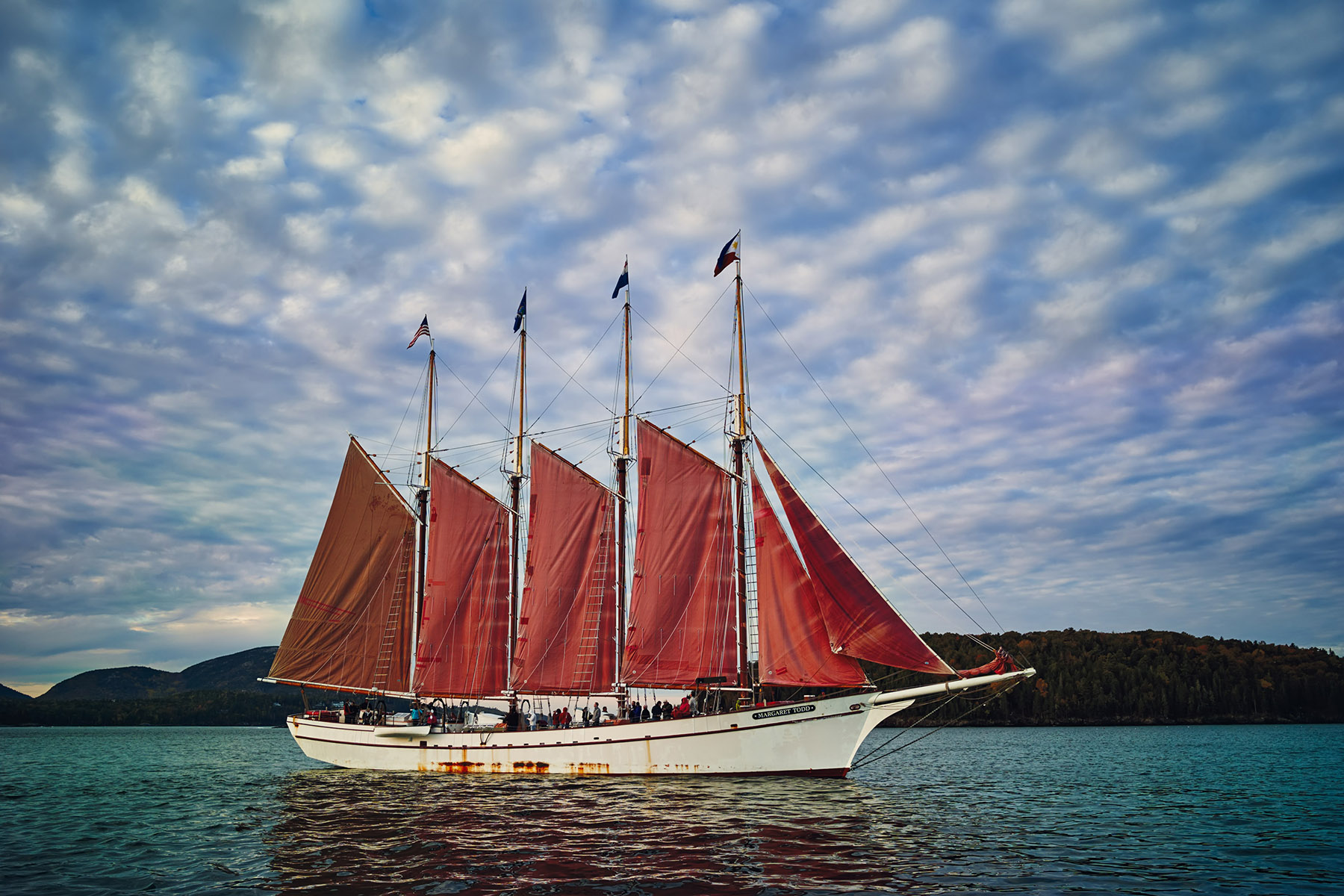 To us, nothing says vacation more than a
 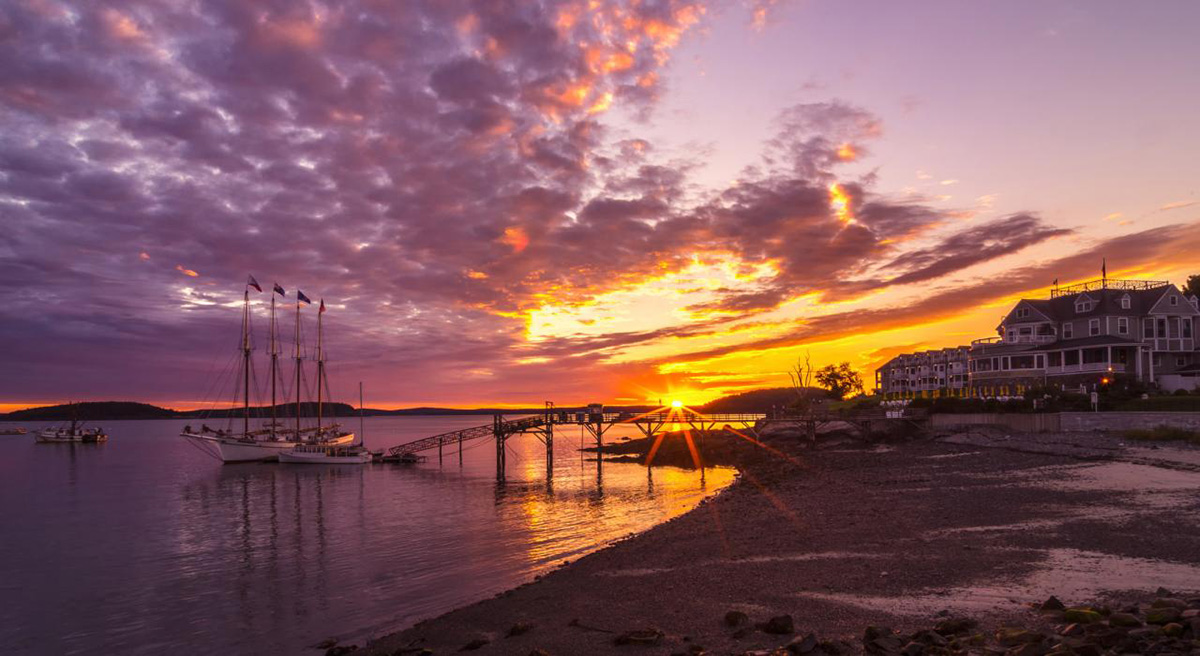 While the Margaret Todd does offer scenic sails in the
 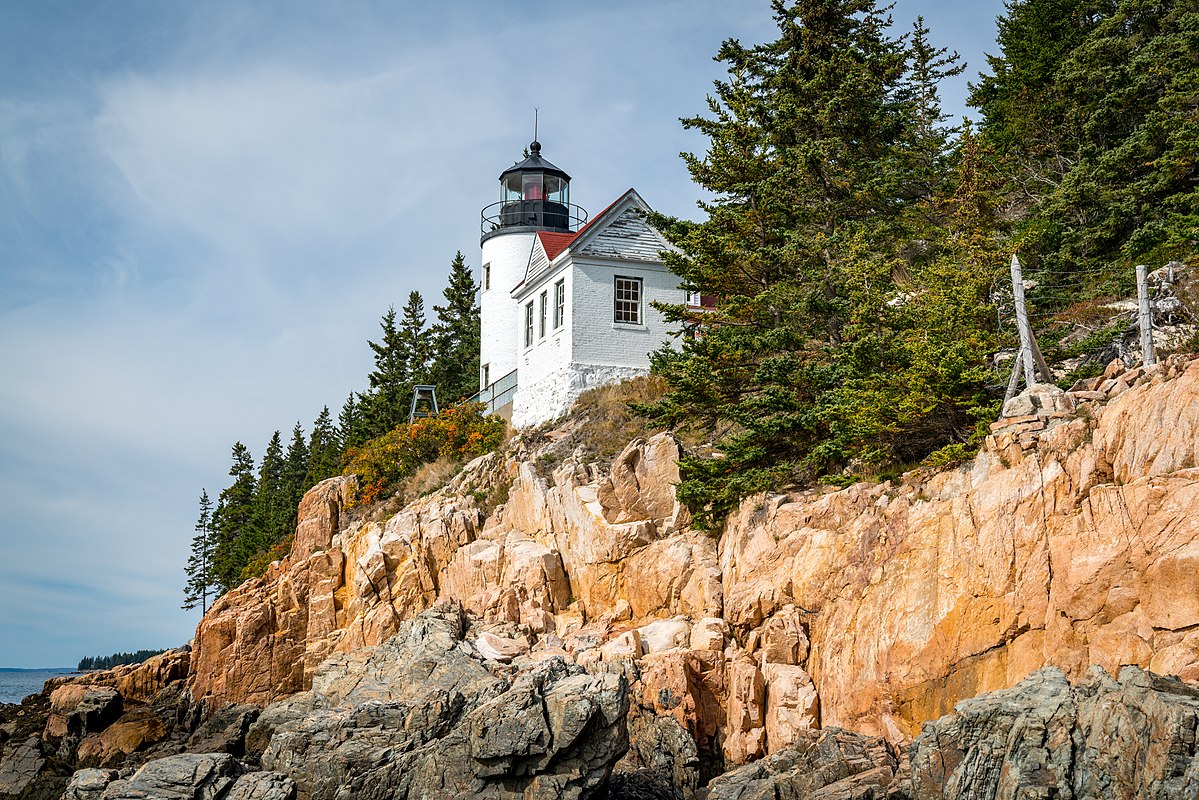 Did you know there are 65 lighthouses in Maine and 7 of them are located in and around Mount Desert Island?! These beacons are icons of coastal Maine and hold so much history about the land and the people who have worked and explored these waters for hundreds of years. Built in the mid to late 1800’s many of these are still operational, using bright flashing lights and deep fog blasts to keep boaters safe in foul weather. Below is a list of the 7 lighthouses in the area.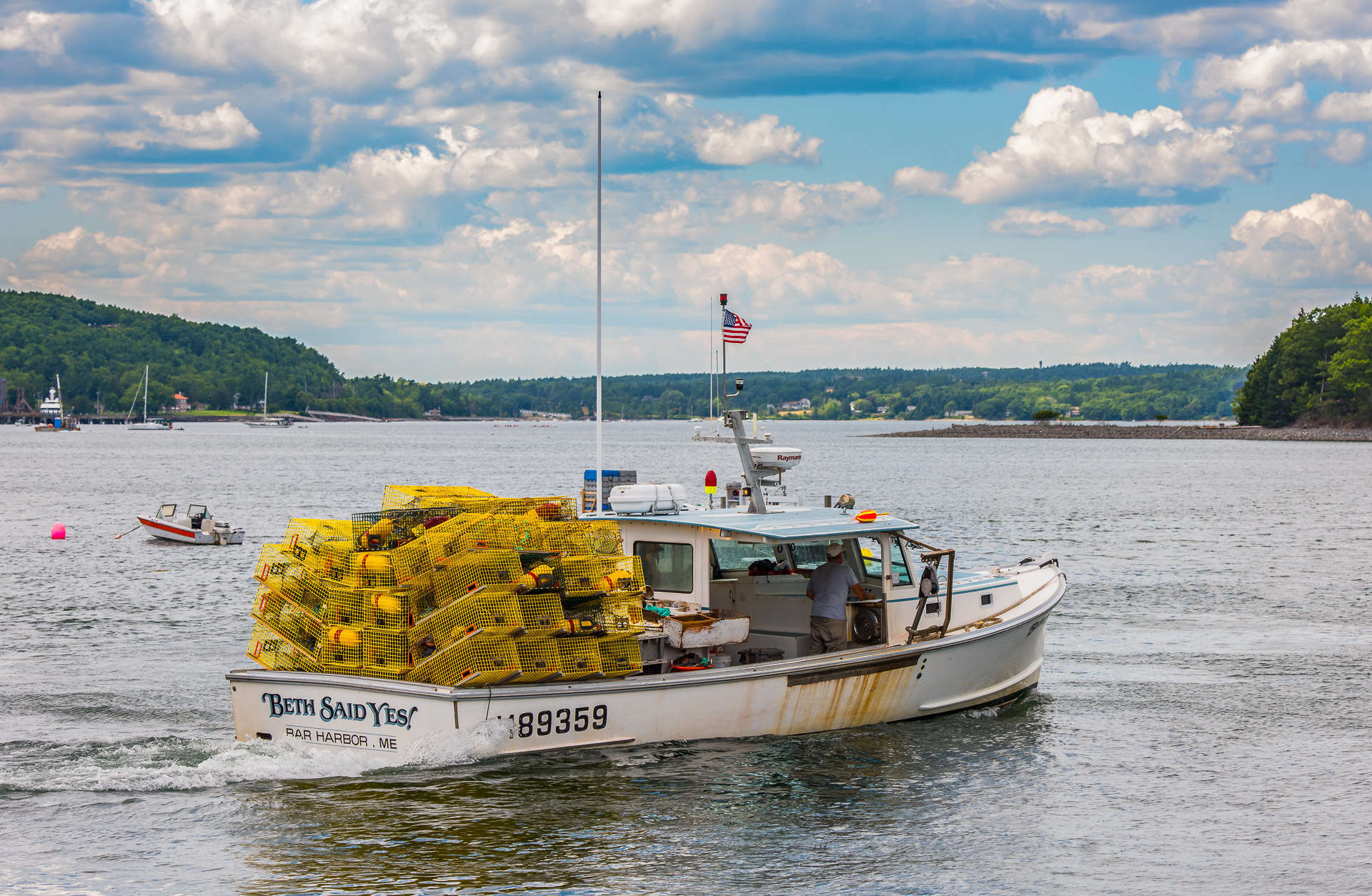
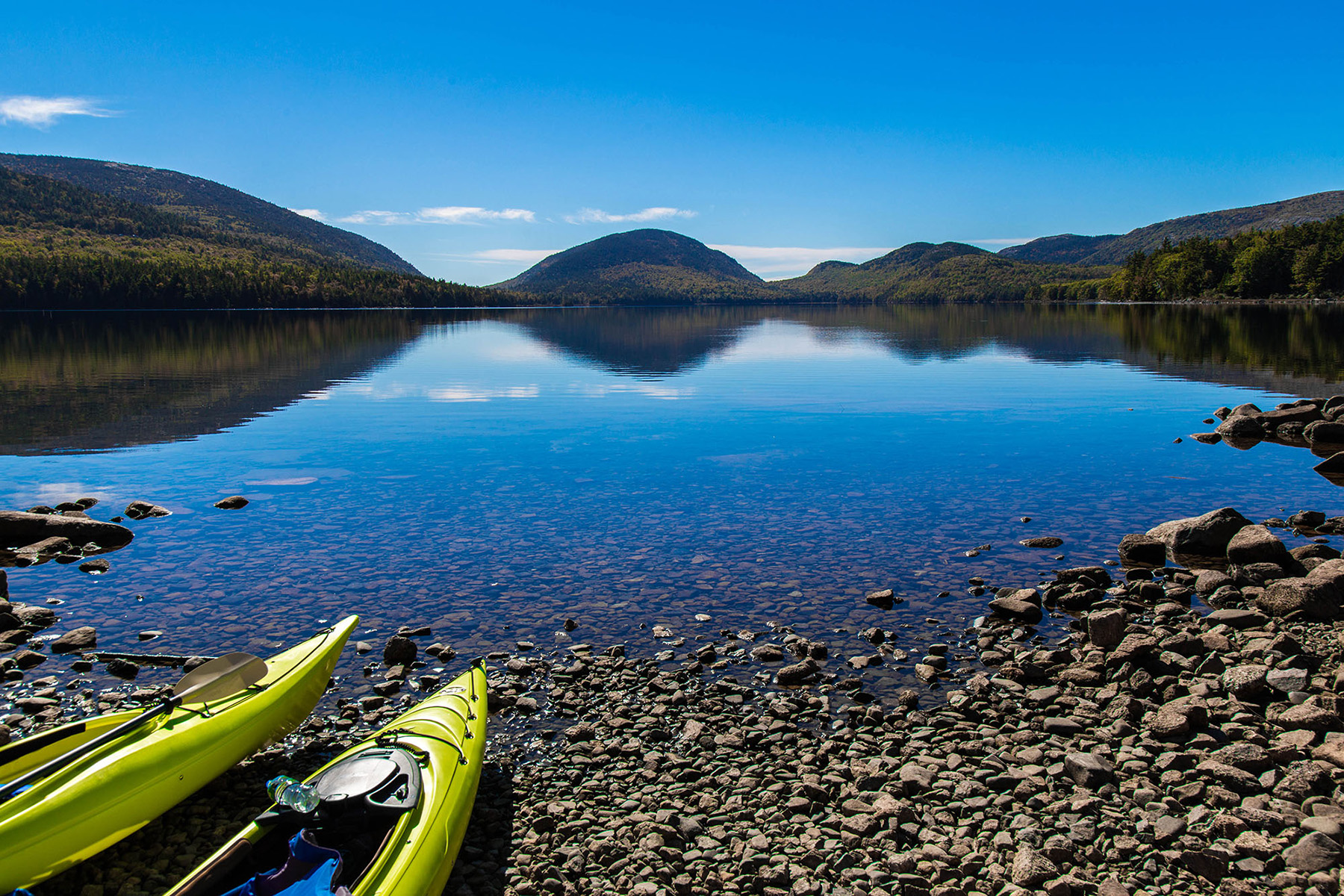

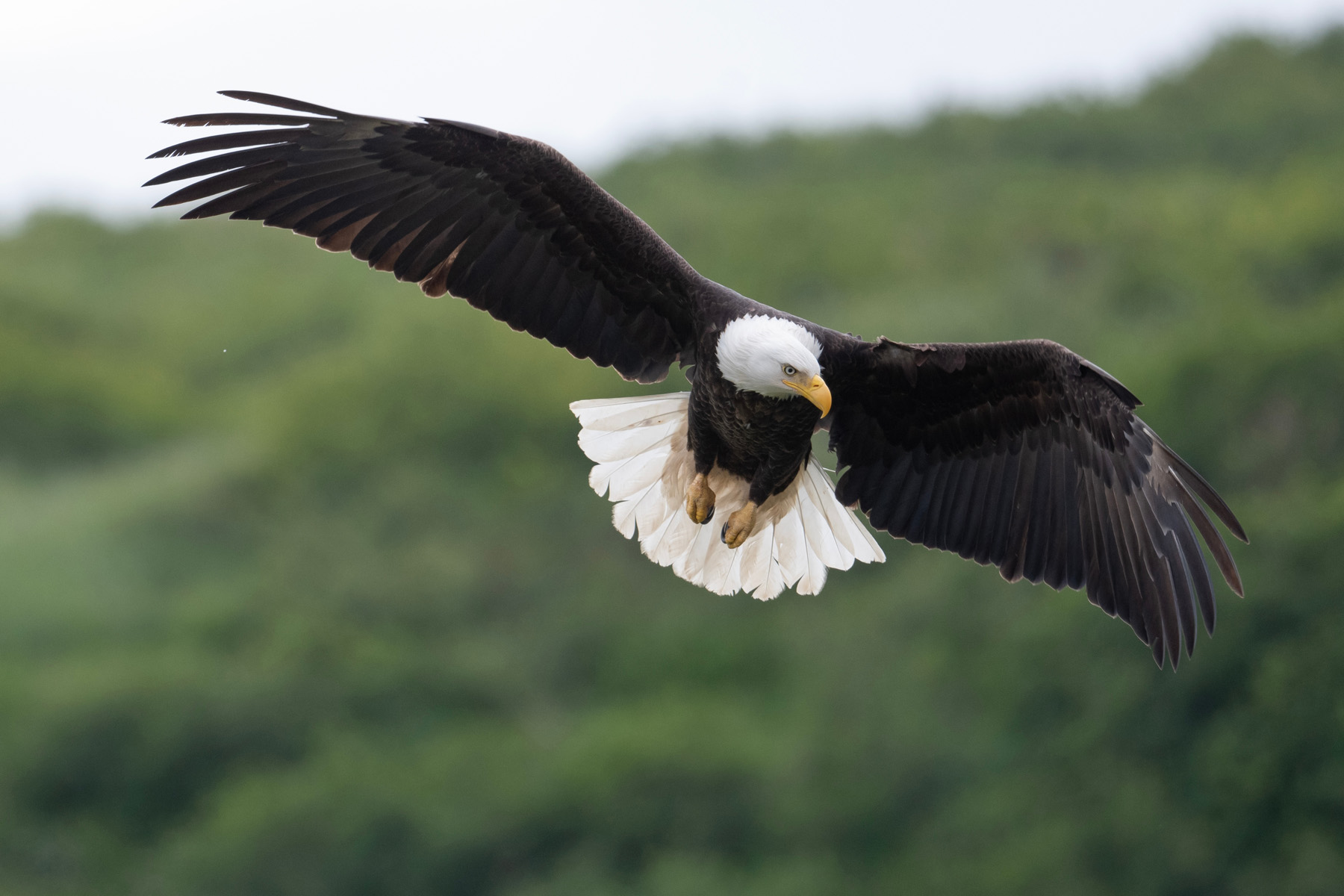
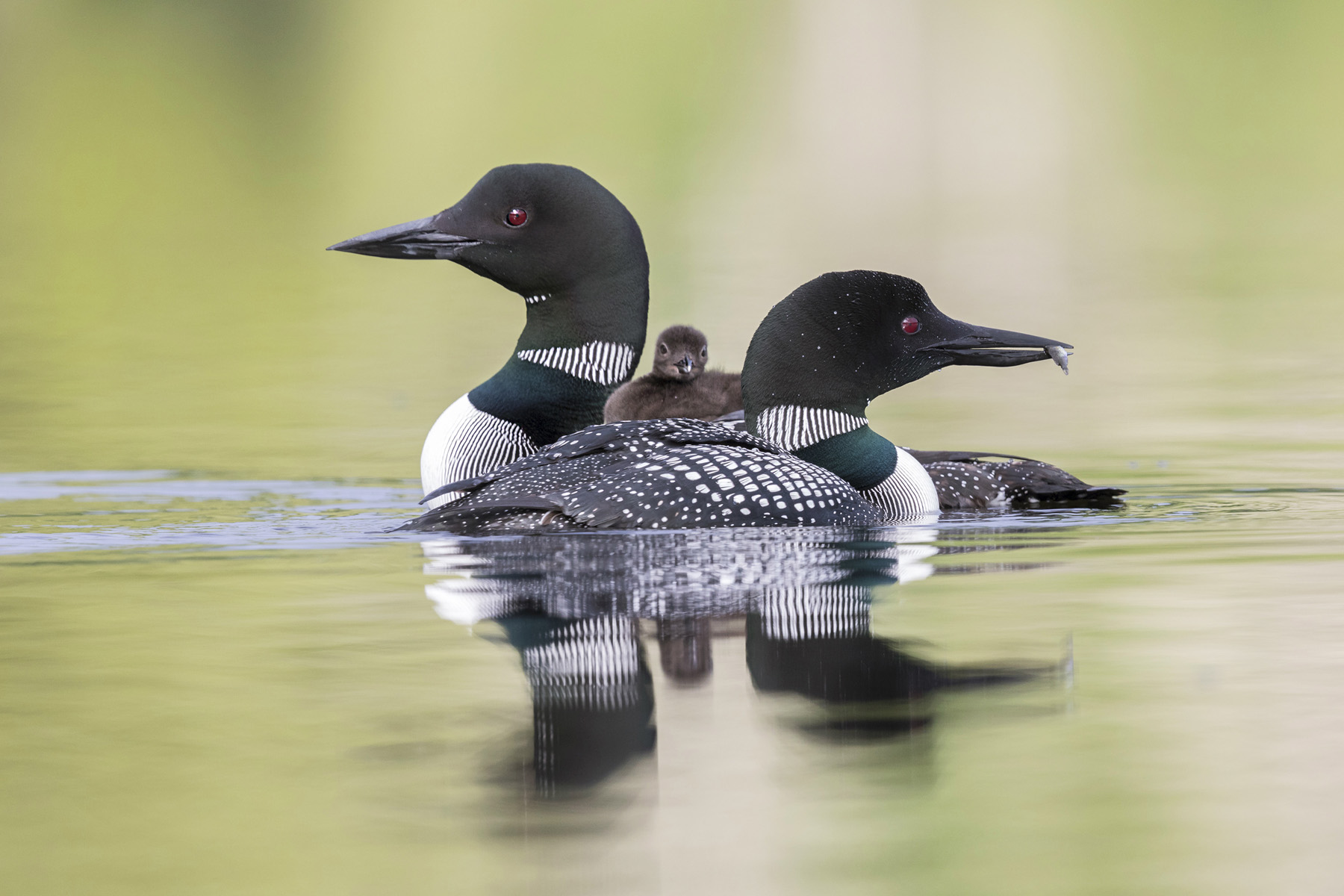 Sometimes the best place to spot the wildlife of Acadia is from the window of your room at the Acadia Inn! In the mornings and evenings, we often get visiting squirrels, rabbits, deer and birds so keep your eyes peeled while enjoying your breakfast or settling in at the end of the night.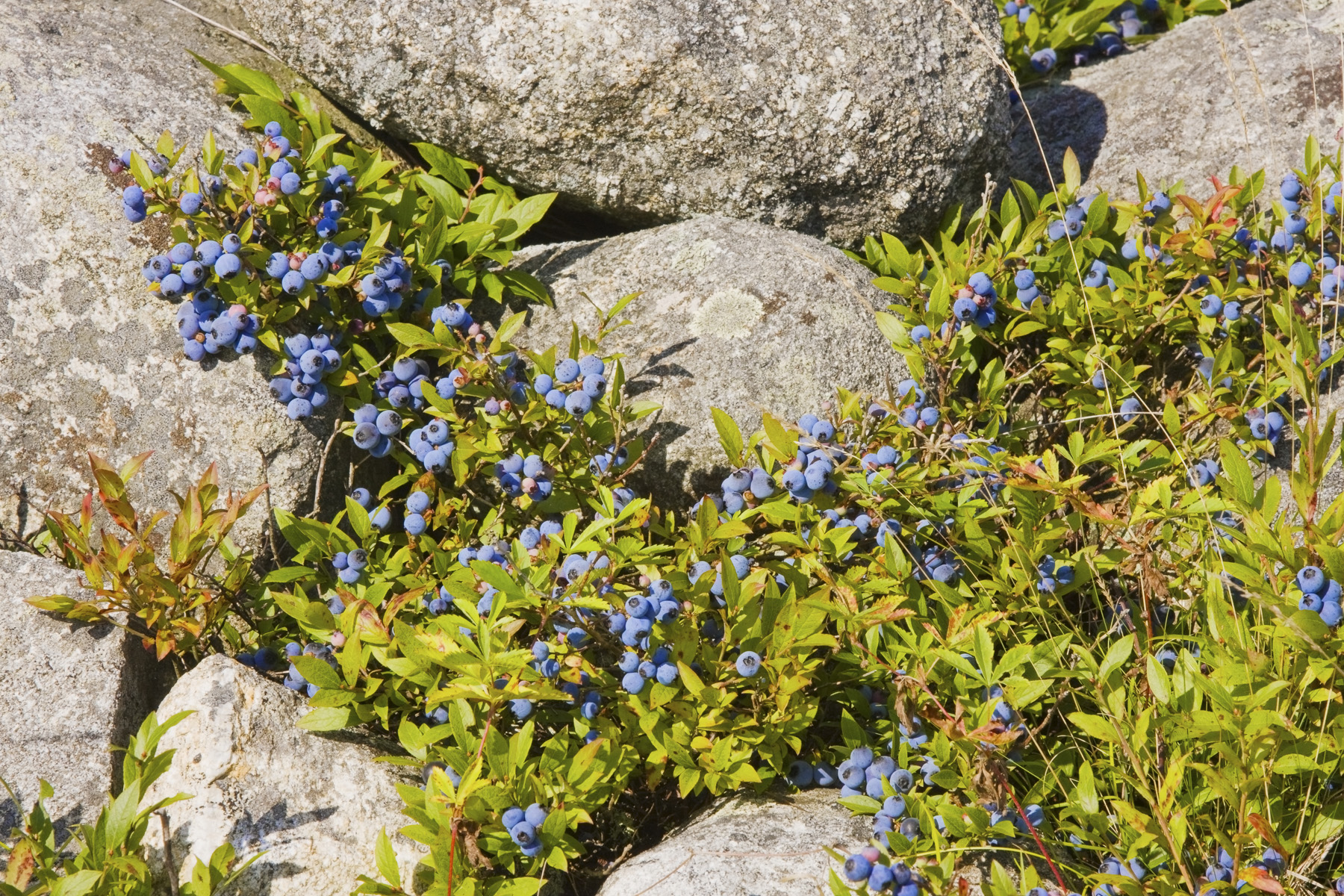
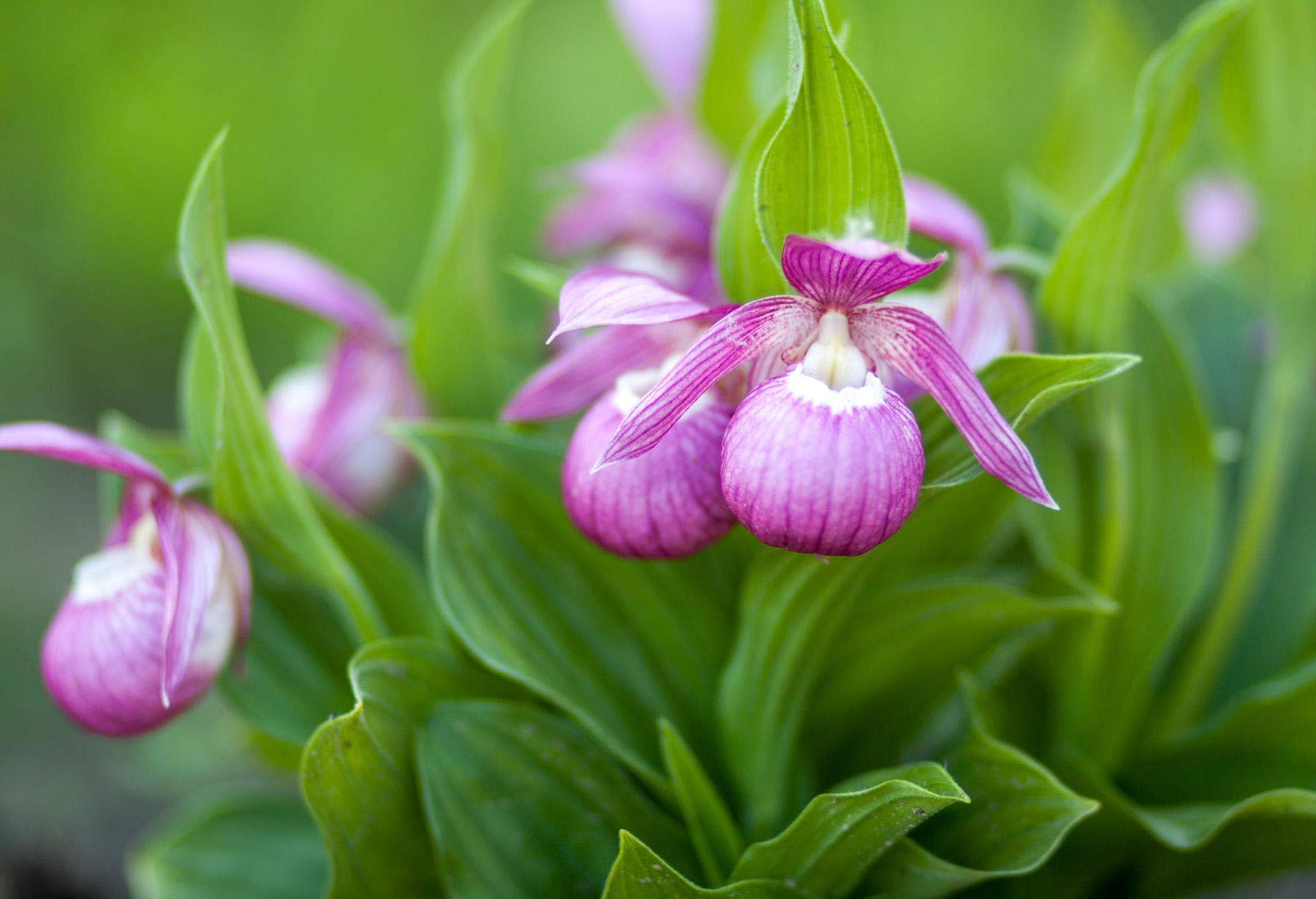 Mount Desert Island is home to more than 1000 species of plants thanks to its variety of different habitats. Wetlands to coastline to mountains, forests, and freshwater environments such as streams, lakes and ponds bring together unique factors and foster the growth of diverse plants. See if you can identify the plants in this outdoor scavenger hunt.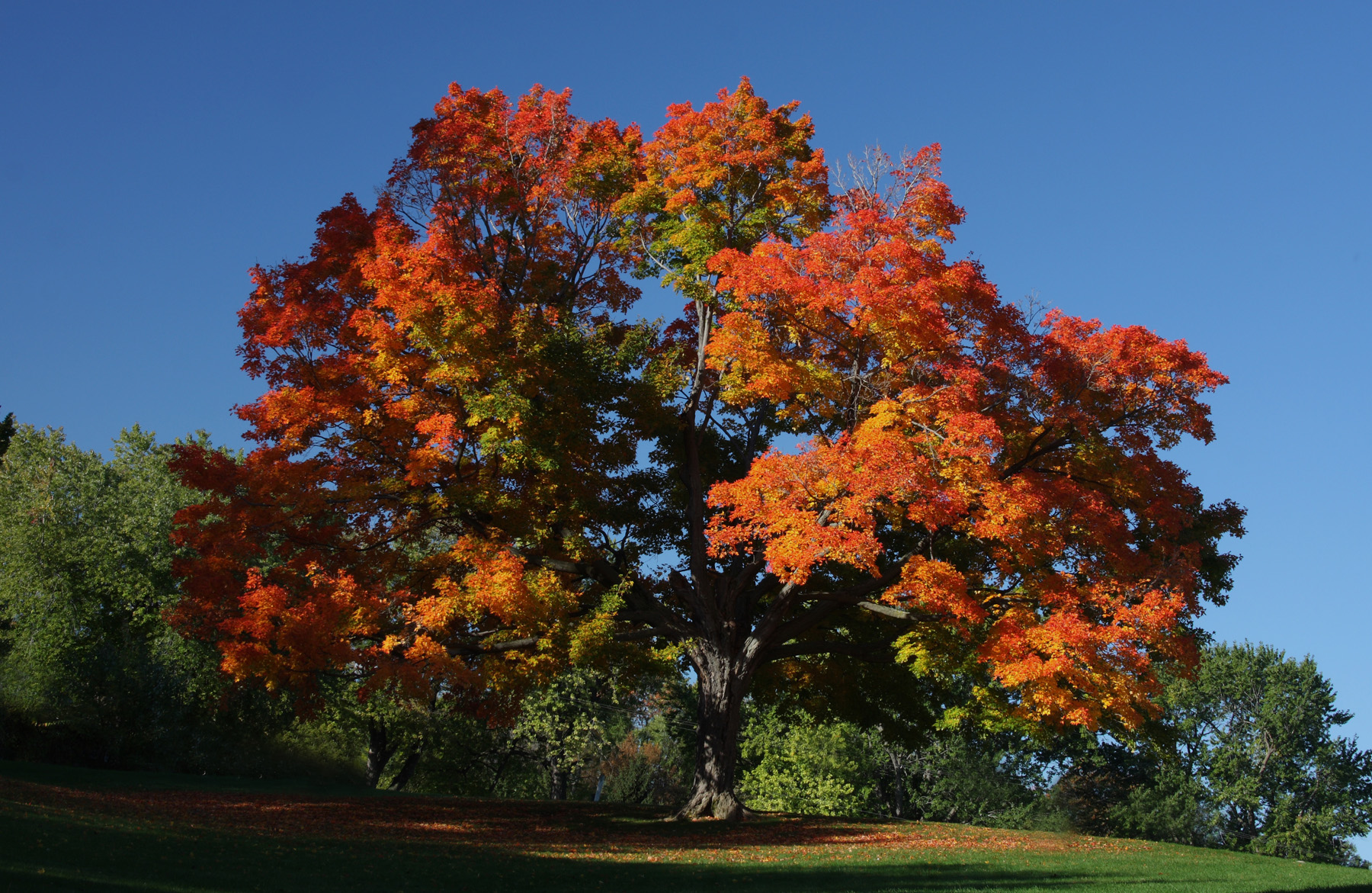
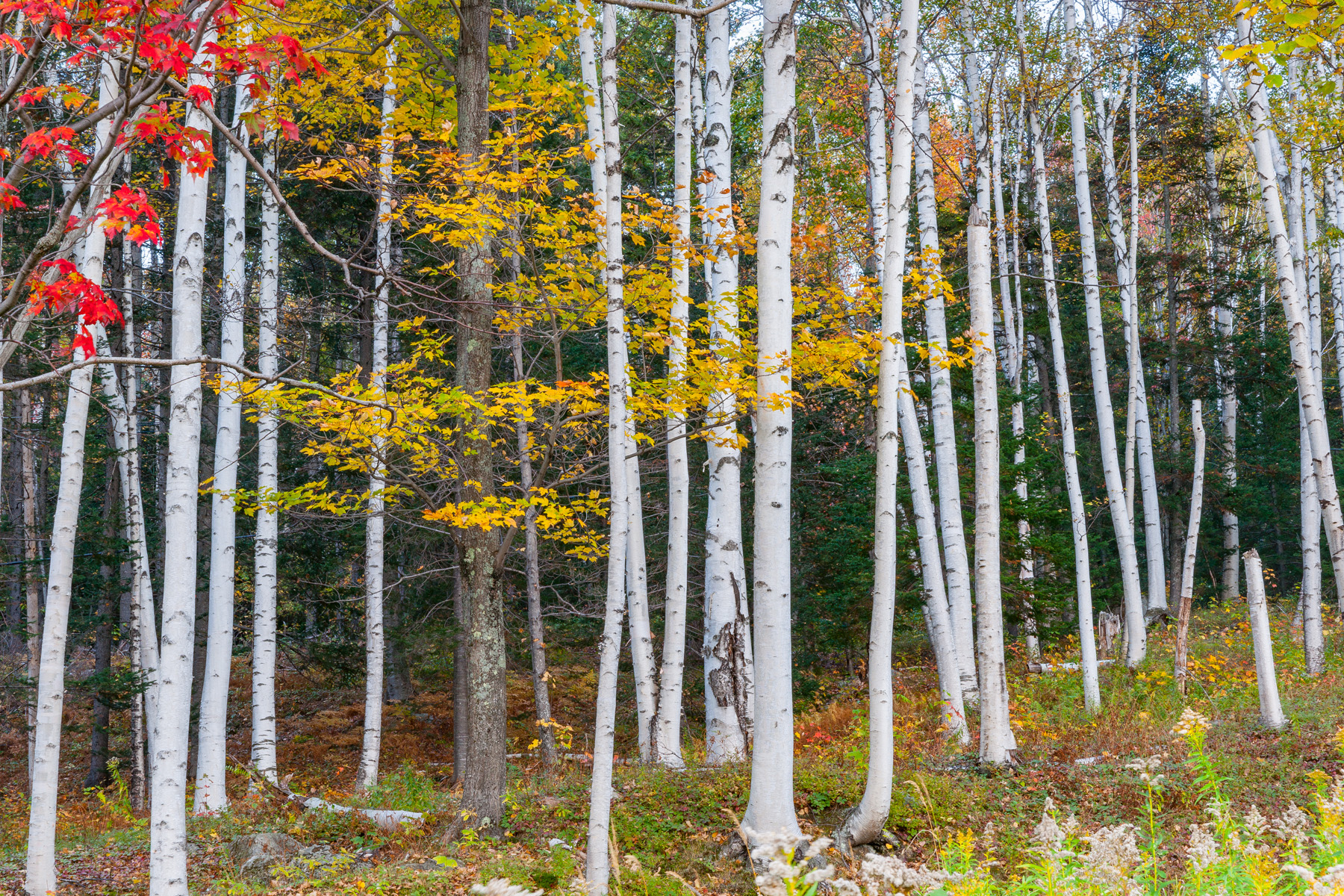 A deciduous tree is one with leaves that drop in autumn, carpeting the forest floor and insulating it over winter. Most of Acadia’s deciduous trees can be found at lower elevations. How many can you find?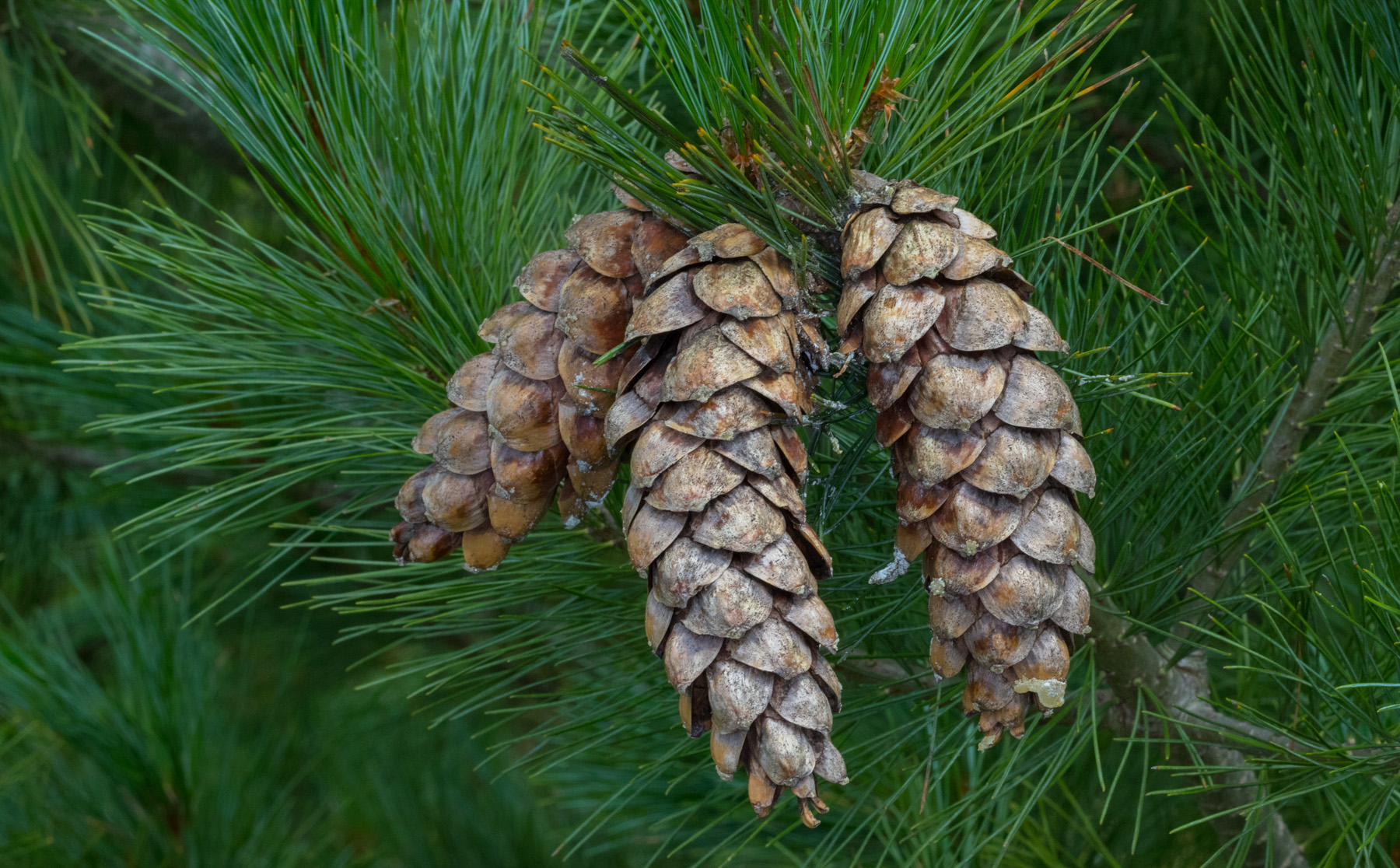
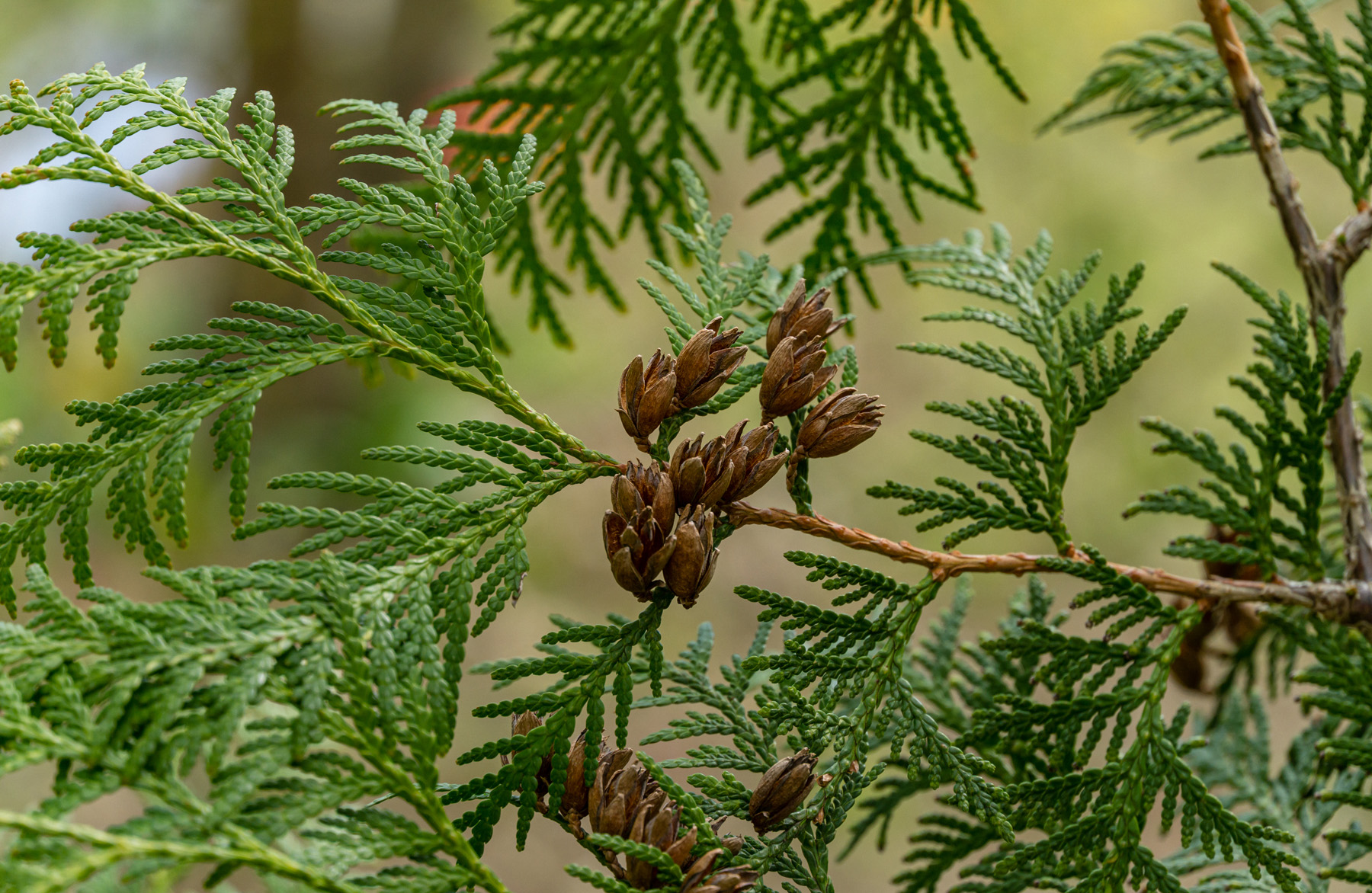 Maine is also known as the pine tree state—home to many conifers. Conifers are trees that produce cones to distribute their seeds. They often have needles for leaves and are evergreen, meaning they don’t drop their leaves in fall like deciduous trees. Most of Acadia’s forests are made up of conifers so you’ll have plenty of opportunities to check these off your outdoor scavenger hunt checklist.