
The Ultimate Bar Harbor Itinerary for Art Lovers
In between feasting on lobster rolls and oysters, feast your eyes on some of Bar Harbor’s art on your next trip to our island. Surrounded by the Slate Blue waters of the Atlantic, capped with Amaryllis Pink granite mountains, and blanketed in Windsor Green pine trees, Mount Desert Island offers a luscious palette. So it’s no wonder that the natural beauty of the island is matched by its residents’ vibrant arts community. If you’re a lover of the arts, you’re in luck. Check out these 7 unique things to do in Bar Harbor to get your fill of creativity and maybe return home with a new artistic skill or original work.
Art Galleries in Bar Harbor & Greater MDI
Whether you’re a fan of striking photography, sweeping oil landscapes, abstract compositions, or meticulously crafted sculptures, there’s something on display for your tastes across the island. There are five art galleries in Bar Harbor and the surrounding area for you to explore:
Argosy Gallery
Located right downtown at 6 Mount Desert St, the Argosy Gallery was opened in 1996 and has assembled an outstanding collection of original works in American traditional and impressionist styles. More 36 artists who either reside in or travel to Maine to create art, show their works here.
Gallery at Somes Sound
Located on the innermost corner of the Somes Sound in the historic Village of Somesville, this gallery is a stunning showcase of contemporary fine art and sculptured furniture. The space is bright and open, with windows overlooking the water. In addition to art on display, the gallery also hosts workshops and small events.
The Cygnet Gallery
Modern and yet still so Maine, the new Cygnet Gallery sits on the corner of Main street and Village Green Way in Southwest Harbor. They have rotating exhibitions, sip & shop events, and trunk shows throughout the year.
Clark Point Gallery
Just down the street in Southwest Harbor, the Clark Point Gallery features a sweeping collection of 19th and 20th century paintings of Maine and Mount Desert Island from 36 artists. Currently open by appointment only, enthusiasts sure to call ahead for your chance to browse this gorgeous collection.
Isleford Artists Gallery
Ready for an art adventure? Catch the mailboat out of Northeast Harbor and plot your course for Little Cranberry Island, otherwise known as Isleford. This picturesque harbor town is home to the Isleford Artists Gallery where you can enjoy works from over 25 local artists, with styles ranging from realistic to abstract. Don’t forget to grab a bite to eat at the Isleford Dock Restaurant before you head back to MDI.
Abbe Museum
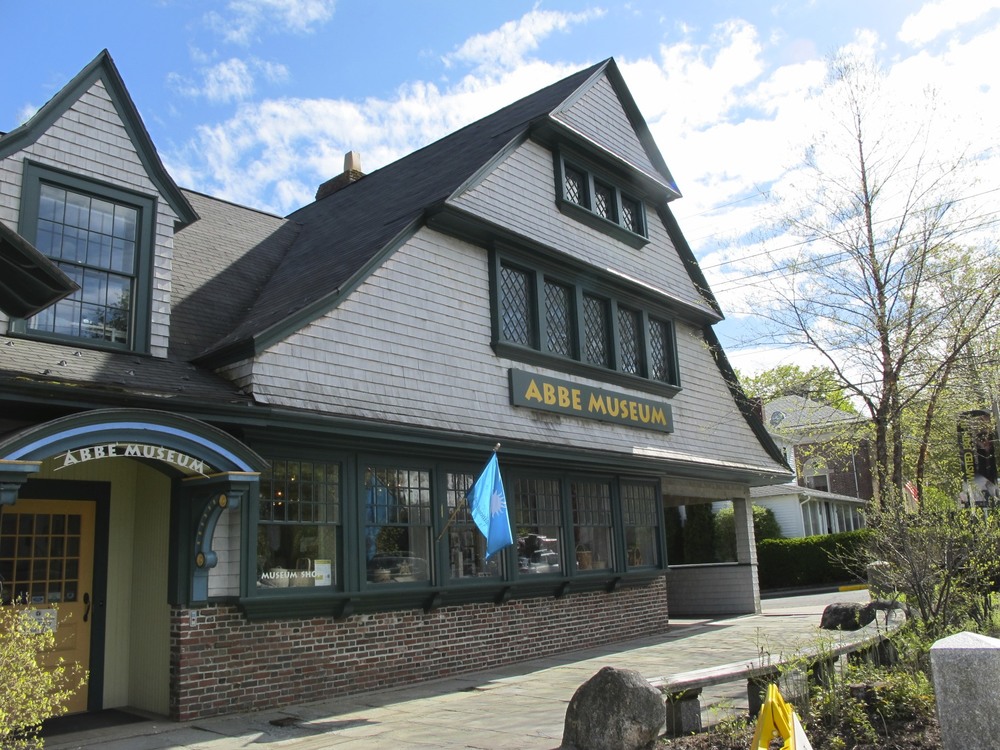 Our state’s one and only Smithsonian affiliate, the Abbe Museum is a must-see Native American history & art museum in Maine. Located in downtown Bar Harbor, the museum features evolving exhibits of art and cultural artifacts from the Wabanaki, Maine’s Native people. Their core exhibit offers perspectives going back as far 12,000 years into the history of the land and the people that steward it. Additional exhibits of contemporary art such as the Micmac Indian Craftsmen and Waponahki Student Art Show bring an even broader picture of creative skills and stories into view.
Venture to the museum’s outpost in Sieur de Monts for special showcases of the Wabanaki basketmaking tradition and how current generations are working to protect the art of basket production in the face of invasive species.
Dawnland Festival of Arts & Ideas
July 12-14, 2024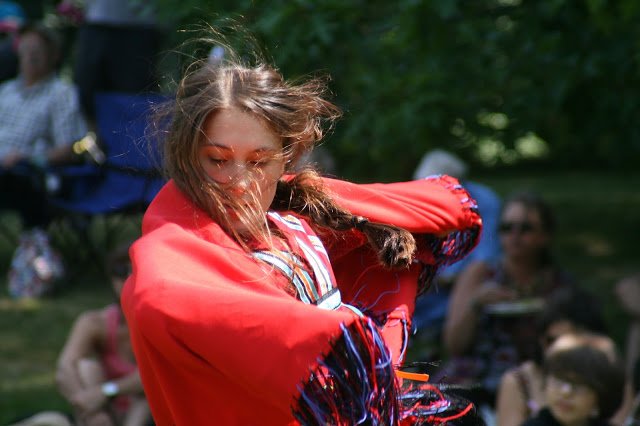 This year, the Abbe Museum will be premiering its Dawnland Festival of Arts & Ideas at the College of the Atlantic. If you happen to be visiting or can make a special trip July 12-14, 2024, this multi-day Bar Harbor art festival promises to be a real treat for art lovers. Brimming with Native arts markets, performances and special speakers, the event will be free to public and offer visitors an opportunity to engage Wabanaki thought leaders and artists in a weekend of inquiry, creativity, and celebration.
Bar Harbor’s Art in the Park
June 15-16, 2024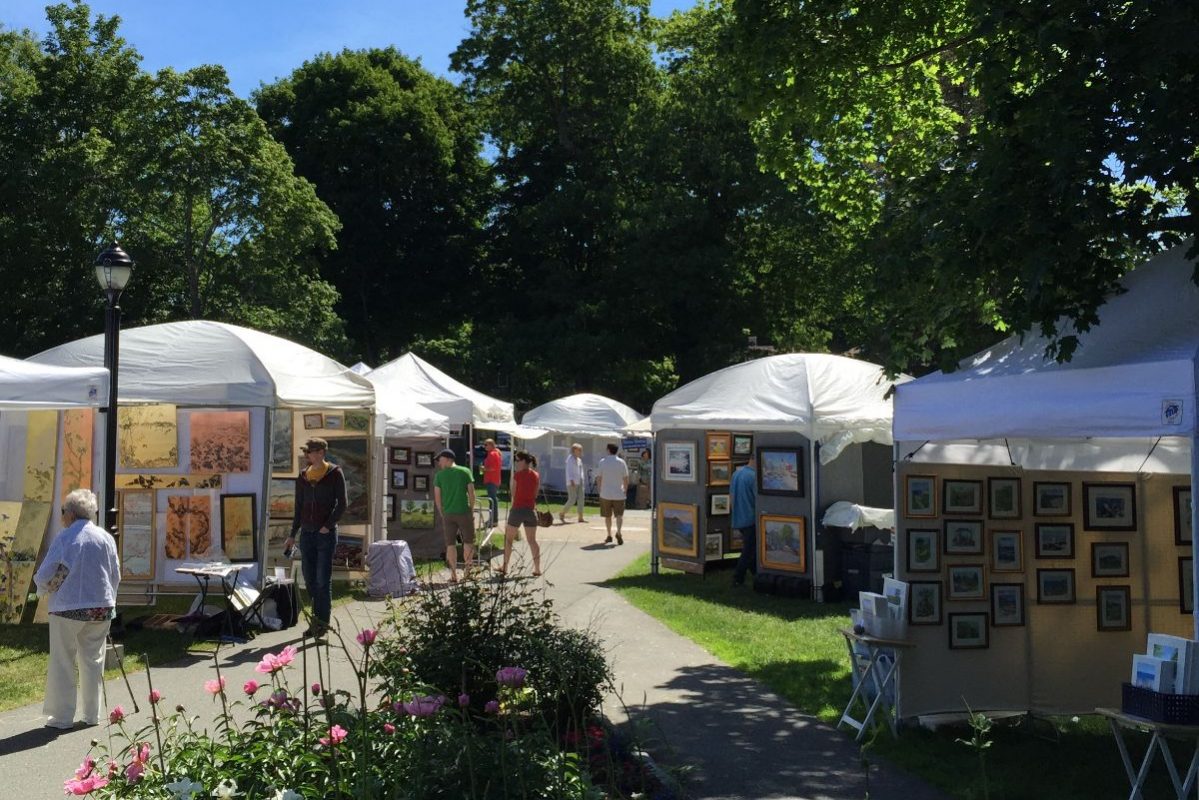 Just like the plants and trees around Mount Desert Island, June brings a burst of life and color to the Village Green. One of the most anticipated annual Bar Harbor events for locals and visitors alike, Art in the Park is the longest running art show in town, now in its 72nd year. For two days, artists in painting, print making, photography and more set up tents to display and sell their works. Not only is it a great time to find a beautiful addition to your home’s décor, it also offers an opportunity to connect in person with the art community of Mount Desert Island.
Grab a lemonade from Side Street Café or a few scoops of ice cream from Mount Desert Island Ice Cream and get about wandering the stalls on the green.
Bar Harbor Craft Fairs
Thanks to Island Arts Associations, not a month goes by that there isn’t at least one Bar Harbor craft fair. Shop from local Maine artisans & crafters peddling hand carved spoons, leather bound journals, quirky knits, sea-inspired jewelry, and much more. The craft fairs are hosted in a range of locations depending on the time of year so be sure to check their schedule of upcoming events for details and when and where to find such a wealth of Maine crafts.
Art Classes & Workshops
It’s hard not to feel inspired when visiting Mount Desert Island. So, if you’re looking to get hands on or are in need of unique things to do in Bar Harbor on a rainy day, a workshop could be the answer. ArtWaves, a community arts center and hub for artistic expression, offers lots of opportunities to participate in the arts. Located in Town Hill on the Northwest edge of the island, they host open figure drawing sessions, sewing circles, stained glass workshops, color theory classes and so much more. Plus, they have a state-of-the-art dance studio where you can participate in yoga, barre, and other fitness fusions.
Performing Arts at the Criterion
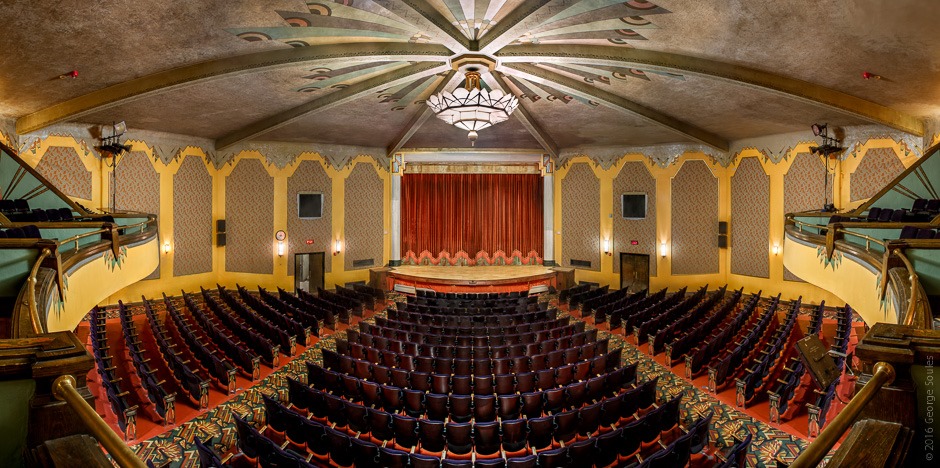 The Criterion theater has been beacon of the arts on MDI since 1932 and is the perfect way to round out a day of touring galleries and museums with a live performance. From dance and comedy performances to live music and plays, this historic theater is great way to experience local and touring artists. Find a full list of their upcoming Bar Harbor events and grab your tickets now.
In Bar Harbor, art is all around us. Gallery or no, a wander down Main Street reveals architectural interest. Dinner at the Reading Room gives you a front row seat to the lapping waves of the Atlantic. A hike in Acadia introduces you to blooming flowers, shy foxes, and other curious subjects. Even your room at the Atlantic Oceanside provides a balcony from which you can sit and sketch the lobster boats coasting through Frenchman Bay. Bring a camera to capture the beauty of your family’s smiles as they spot puffins on a nature cruise, or a pad of watercolor paper to bring along to Jordan Pond House. While this Bar Harbor itinerary for art lovers provides lots of options, there’s no bad way to experience art on Mount Desert Island. Our advice…get creative!
